
Who Actually Makes a Film? The Complete Guide to the Key Positions in a Production
If you ask anyone in the street who makes a film, the answer will almost certainly be "the director". And, in a way, they are right. But if you have ever sat through the credits of a film, and let us admit it, few of us have that kind of patience, you will have noticed dozens, sometimes hundreds of names scrolling past, each with a title that sounds like something important. Line Producer, Gaffer, Foley Artist, DIT. What do all these people actually do?
In this article we unravel the mystery: who really builds a film, what the key positions in a production are, what each of them is responsible for, and why, if the person who looks after the artificial plants on set disappears, the whole production can go into crisis. Yes, such a person really does exist. Let us look at how the team behind a film actually works.
"Above the line" vs. "below the line"
Before we get into the departments, we need a distinction that is fundamental to the industry: above-the-line and below-the-line, in Romanian above the line and below the line. It sounds like a philosophical metaphor, but it is, in fact, simply a matter of money and responsibility.
Above the line are the people who lead the project creatively and financially: the director, the producer, the screenwriter, the lead actors. They are the first hired, the last to leave, and as a rule they are paid a separately negotiated fee rather than a daily rate.
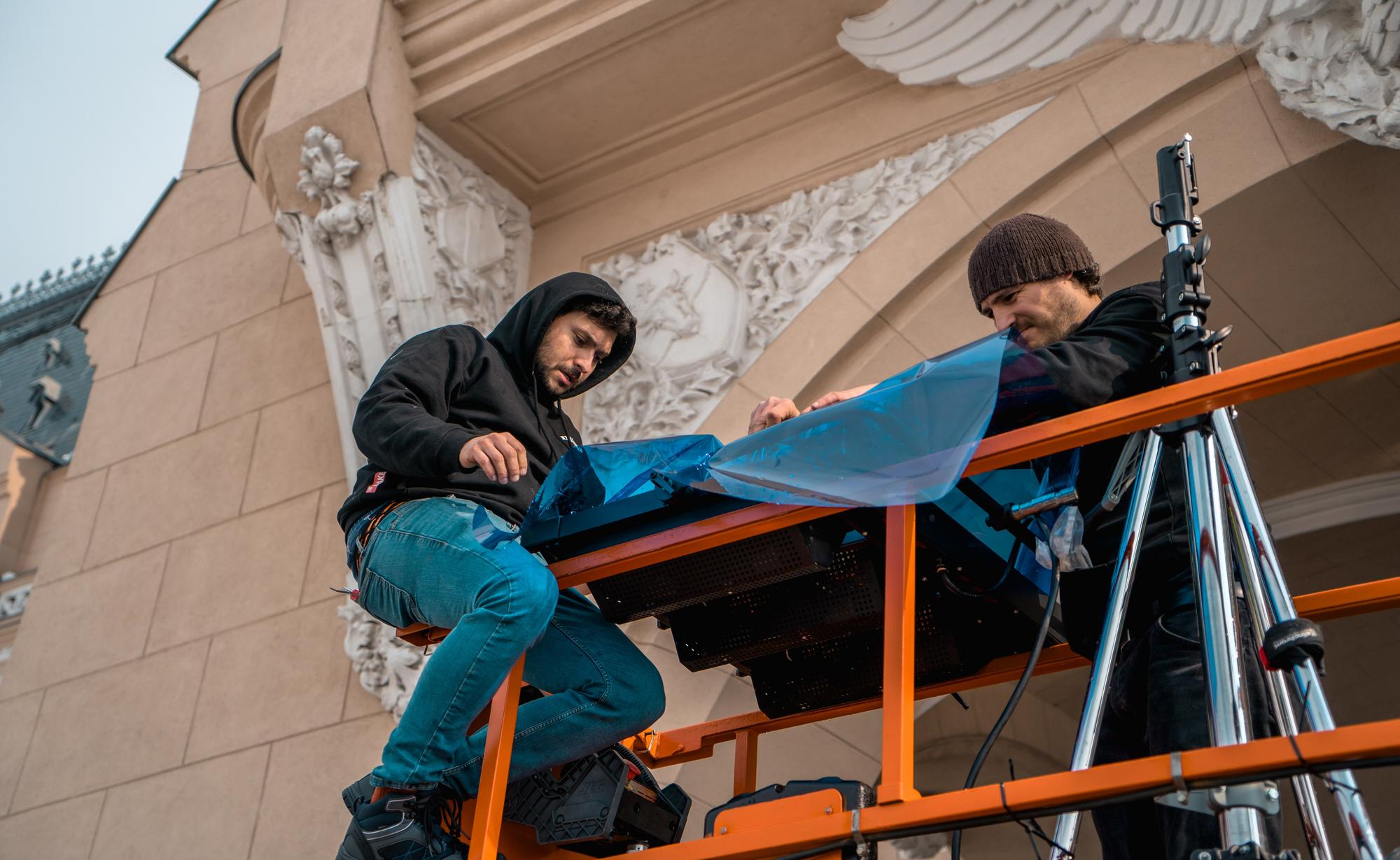
Below the line is everyone else: camera, lighting, sound, costume, make-up, transport. They are paid by the day or by the hour and they are, in practice, the machinery that turns creative ideas into real images. That is how it works across most of the industry; here in Romania, because of limited funding, these boundaries are often negotiated case by case, project by project.
With that distinction cleared up, we can move on to the departments.
The producer team: money, contracts and logistics
The Producer
The producer is, if we want a comparison, the CEO of the film. They oversee everything, from the screenplay stage to release. They hire the crew, manage the budget, resolve conflicts, take the final decisions. They are omnipresent and, in theory, omniscient, or at least they ought to be.
The Line Producer
If the producer is the CEO, the line producer is the COO: the person on the ground, the one who handles the daily operations. They know exactly how much money was spent yesterday, how much will be spent tomorrow and where to cut if things start going off the rails.
The Production Manager (UPM)
The production manager is the chief administrator of the film. They handle the contracts with suppliers, the locations, bringing the crews together, the payroll and the paperwork that goes with it. If you have a question about wages or money on a set, they are the person you talk to.
The transport department
This is a department that is rarely talked about, even though without it, quite simply, nothing gets anywhere. The transport coordinator (transportation coordinator) plans and organizes moving the people and the equipment, from camera, lighting and props to trailers for the actors and trucks for the generators, from one point to another, sometimes several times a day if the production is shooting in multiple locations.
The unit drivers take the crew, the actors and the equipment to and from the location, often on a tight schedule, because a single transport delay can throw off the plan for the whole shooting day. On large productions this department can grow to dozens of people and vehicles, effectively a small logistics operation in its own right, running in parallel with the shoot itself.
The director team: vision and discipline
The Director
We all know this one, the face on the poster. The director leads the creative vision of the film, works with the actors, takes the decisions about performance, tone and rhythm. Every frame, every camera move, every pause in a line of dialogue is, ultimately, their decision.
What many people do not know: the director is not the absolute boss. They work closely with the director of photography, the production designer and the actors, and on certain productions, especially commercial ones, the producer has the final word. Making a film is, in essence, a permanent negotiation.
The First Assistant Director (1st AD)
The first assistant director is responsible for making sure everything happens on time. They run the set day by day, set the shooting order, call "Rolling!" and "Cut!", keep the discipline and the pace. They are the person who manages to get 80 people in the right place at exactly the right moment. One of the most stressful jobs in the entire industry.
The Script Supervisor
The Romanian title is a little misleading, this is not a "secretary" in the classic sense of the word. The script supervisor tracks the continuity of the film: if an actor wears a shirt with the sleeves rolled up in shot 1 and the sleeves down in shot 2, they are the one who has to notice. They write down absolutely everything the actor wore, what the light was like, how long the line took and from which second. Without this job, the film would be a nightmare to edit.
The Storyboard Artist
Turns the screenplay into sketched images, shot by shot. The director and the director of photography use the storyboard as a visual map of the film, long before a single frame is exposed.
The camera department: light, color, frame
The Director of Photography (DP)
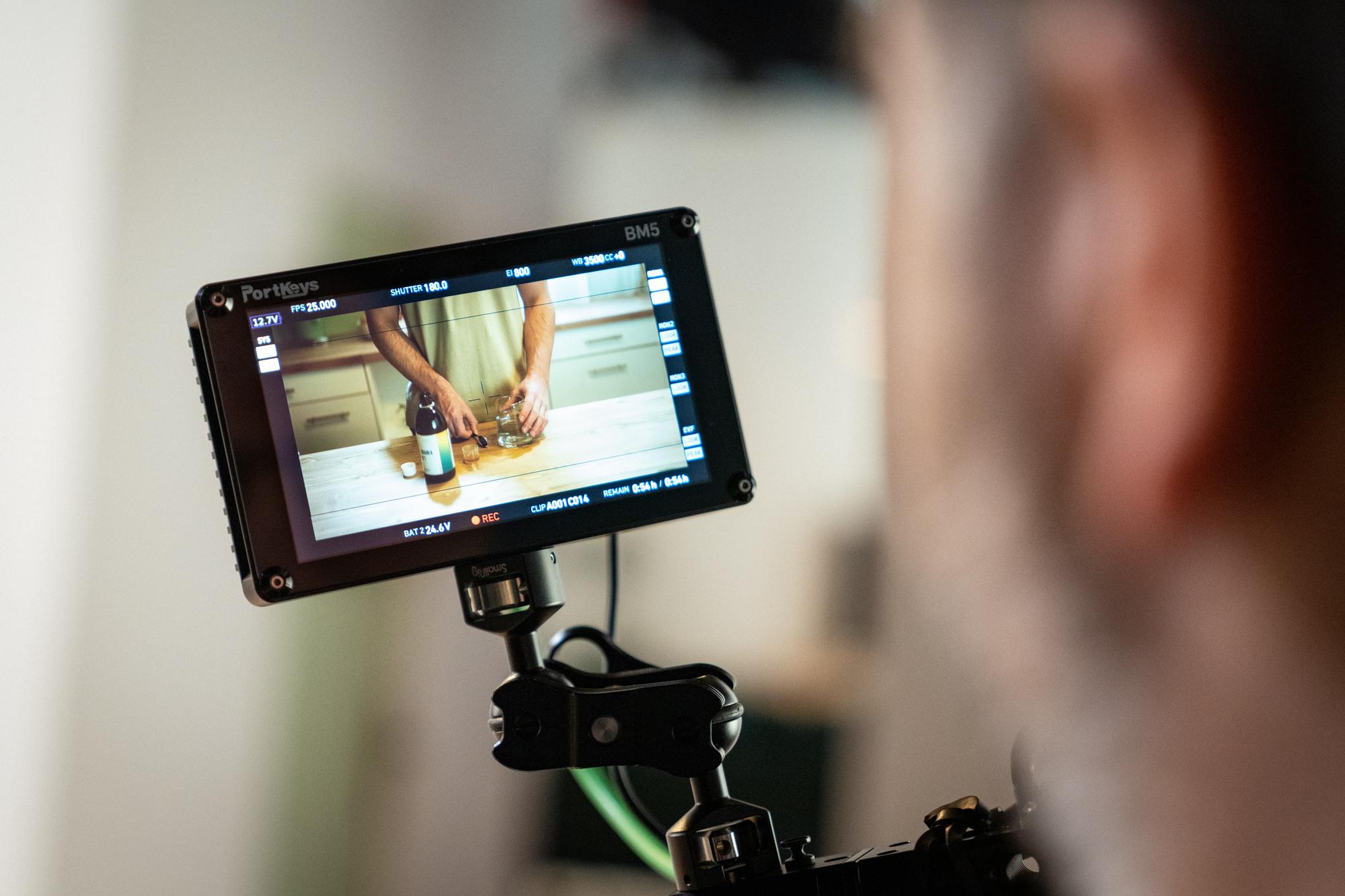
The director of photography, or the DP as the role is known in the industry, is responsible for everything you see on screen visually. Together with the director they decide the camera angles, the movements, the exposure, the colors. They are the artist of light and of the frame.
A simple example: if the director says "I want to feel the loneliness of the character", the DP translates that into a distant camera, cold light, empty space in the frame. They are, in effect, a visual translator.
The DP does not work alone, they lead an entire department. The gaffer and the electrical team implement their lighting vision, the grips provide the mechanical infrastructure for the camera movements, and the camera operator and the camera assistants execute the shots. The DP is the one who establishes the visual language of the film, and then makes sure that everyone around them speaks the same language.
It is a position of great creative trust. On many productions, the director and DP relationship becomes one of the most important collaborations on the film, sometimes comparable to the relationship between director and lead actor. A good director knows how to communicate what they want the audience to feel; a good DP knows how to turn that feeling into light, angle and color.
The Camera Operator
If the DP decides what the shot looks like, the camera operator is the one who actually holds the camera and shoots. Some directors of photography do not operate themselves, concentrating instead on lighting and composition while the operator executes, but it is not a strict rule. Some DPs operate every chance they get.
The First Assistant Camera (Focus Puller)
Handles preparing and setting up the camera, along with everything that keeps it running properly. Together with the director of photography they build, maintain and troubleshoot the camera equipment, while also coordinating the rest of the team. Very often they are also the focus puller, the person responsible for focus: they keep the subject sharp in the frame and constantly measure the distance to the camera. They also check the equipment at the start of every shooting day. It is an extremely technical and stressful job: a shot that goes out of focus because of them will be seen by millions of people. No pressure, right?
The Digital Imaging Technician (DIT)
Back in the days of shooting on film stock, this job did not exist. It appeared with the move to digital and today it is one of the most important, and least known, jobs on set.
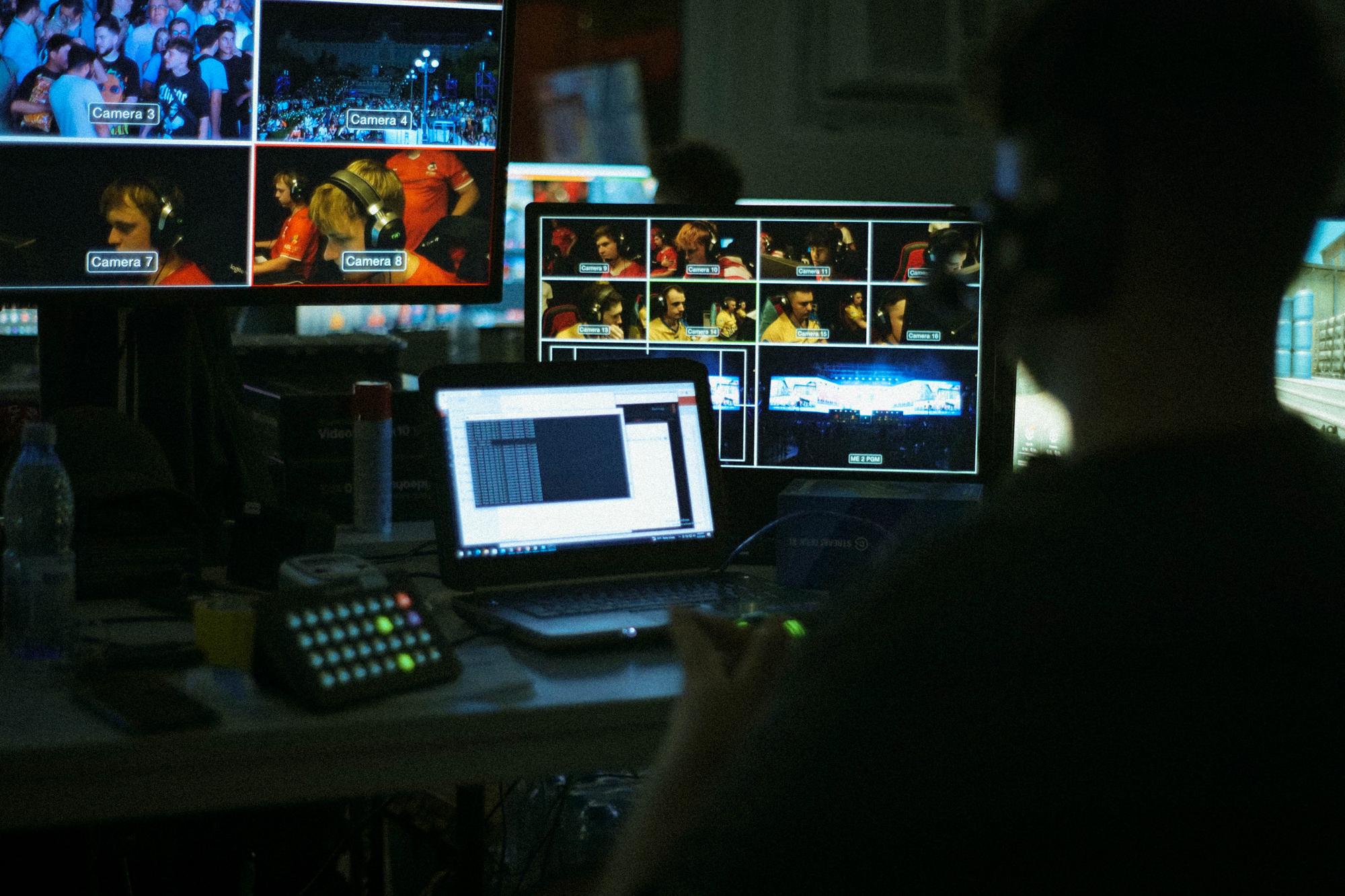
The DIT is part of the camera department and works in close contact with the director of photography. In practice, they are responsible for everything that happens to the image once it has passed through the camera sensor: they apply LUTs (color profiles that give an idea of how the final image will look), check the exposure, manage the camera settings, the codecs, the resolution, the frame rate. If the DP has a visual vision, the DIT makes sure that vision survives the journey from sensor to file.
But the most critical part of the job is something else: data management. The DIT downloads the footage from the memory cards, makes at least two backup copies and checks every file bit by bit, to be sure nothing was corrupted in the transfer. If a card gets corrupted or a whole day of shooting is lost through carelessness, the blame is theirs. That is why the DIT is often the most focused person on set, a kind of notary of the image, who cannot afford a single mistake.
At the end of each day, the DIT also prepares the dailies, synced and with a basic color correction, which the director and the director of photography watch in order to check whether everything shot is good or whether retakes are needed. The material also goes on to the assistant editor.
On bigger sets, the DIT is helped by a data wrangler or loader, who deals strictly with transferring and organizing the files, leaving the DIT time to concentrate on the image.
The Steadicam Operator
A specialized operator, in the same way there are operators who shoot underwater. They operate a camera mounted on a stabilization system, which allows fluid movement without a tripod, the kind of long, continuous shot where the camera follows an actor down a corridor. It takes years of physical and technical training.
The Gaffer (Chief Lighting Technician)
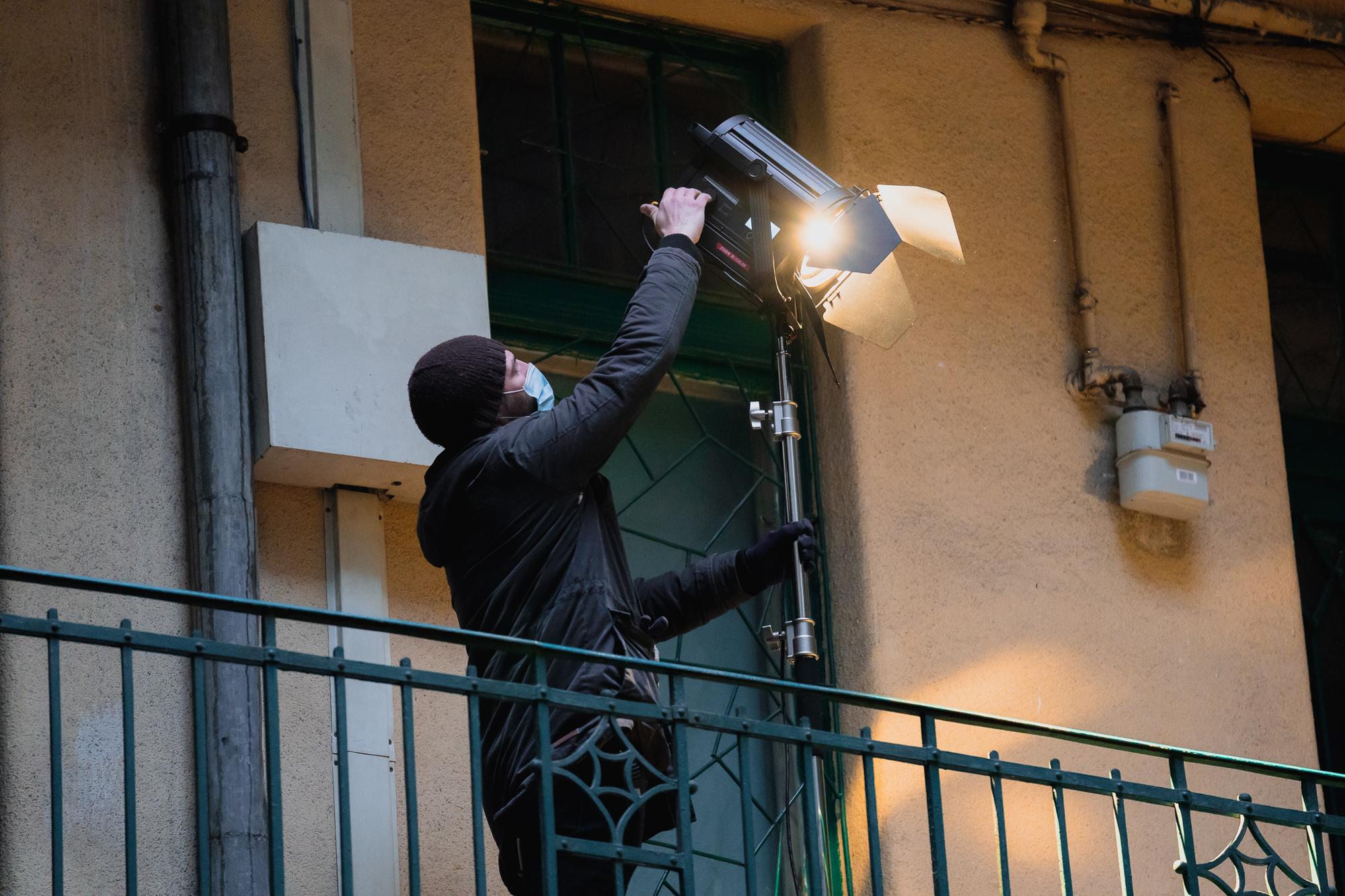
The gaffer is the head of the electrical department. They technically implement the creative vision of the creative team (director plus DP), choose the types of light, place them and adjust the intensities. The best boy (the assistant to the gaffer) is second in command and coordinates the team of electricians.
The Grips (Grip Department)
The key grip (Key Grip) leads the team responsible for the mechanical infrastructure of the camera, tripods, dolly track, cranes, stabilizers. Without them, the camera simply does not move anywhere.
The sound department: what you hear and what you do not see
The Production Sound Mixer
On set, sound is just as important as image, but far more ignored. The production sound mixer records everything: the dialogue, the ambient sounds, the live effects. What they record today will be worked on further in post-production.
The Boom Operator
Holds the directional microphone, the boom, as close to the actors as possible without coming into frame. It is a permanent dance with the camera. And yes, it is hard to hold a heavy pole above your head for hours on end.
The art department and sets
The Location Manager
Before any camera starts rolling, someone has to find where the filming happens, and this is where the location manager comes in.
Everything starts from the screenplay. The location manager reads it carefully and pulls out every place mentioned: an apartment, a street, a forest, an office. They then send out a team of location scouts (location scouts) to look for suitable options, who come back with photographs, notes and impressions. Out of all this they build a shortlist, which they present to the director and the director of photography, because the final decision has to fit both the story and the visual vision of the film.
The creative part is only half the job. The other half is purely logistical, sometimes exhausting: negotiating with owners, obtaining filming permits from the town hall or other authorities, organizing parking for dozens of cars and equipment trucks, managing noise for the neighbours, arranging insurance for possible damage. The location manager is, in practice, the public face of the production, the person who has to keep good relations with the community where the filming happens, because a single unhappy neighbour can stop an entire day of shooting.
At the end, once the crew has left, the location manager is also responsible for the strike, returning the location to exactly the state in which it was found. If something has been damaged, they are also the one who handles the situation with the owner. It is a job where nobody notices you if you do it well, but everybody notices you if you get it wrong.
The Production Designer / Art Director
Creates the visual world of the film, the architecture, the colors, the texture of every space. Designs or chooses every set. If the director of photography manages the light, the production designer manages the space.
The Set Decorator
Fills the sets with objects, furniture, paintings, rugs, plants, books on the shelf. Turns a bare wall into a room that lives and breathes.
The Property Master
Manages every object the actors touch or use in the film, from a coffee cup to a weapon. For firearms there is, separately, an armorer (armorer), who makes sure everything is safe on set.
The Greens Man
The plant person. Natural or artificial, they place them, look after them, reposition them. It sounds simple, but on big sets or in natural locations it becomes an entire department, and if it disappears, you notice immediately.
Costume, make-up, catering
The Costume Designer
The head of the wardrobe department. They work with the director and the production designer to build a visual language through clothes, colors, textures and the style of the period. Every character is a story told partly through what they wear.
The Set Costumer
The representative of the costume department on set. They follow every detail, a wrong button, a shirt creased differently from the previous shot. Care for continuity, minute by minute.
The Head Make-up Artist
Turns actors into characters. From natural everyday make-up to ageing effects, wounds or fantastical creatures, it is all in the hands of this department. Body make-up is a separate specialty.
The Head Hair Stylist
Handles hair, hairstyles, wigs and extensions. Works closely with the make-up artists for a unified look.
Catering and craft service
A film set can run 12, 14, sometimes 16 hours. And nobody, absolutely nobody, works well hungry.
This is where two departments come in that are often confused, but are completely different. Catering handles the actual meals, breakfast, lunch, sometimes dinner, served at fixed times, usually regulated by contract or by union rules (for example, a meal break every six hours of work). The team often operates out of specially fitted trucks or from a dedicated space and has to take account of a long list of dietary requirements, vegetarian, vegan, gluten free, allergies, for dozens or hundreds of people, every single day.
Craft service, or crafty as it is colloquially known in the industry, is something else: a table with snacks, drinks, coffee and tea, available continuously throughout the day, between meals. It seems like a minor detail, but on a set where people work long and physically demanding hours, crafty often becomes the only place where the crew can stop for a few minutes, take a sip of coffee and breathe. Many people in the industry say the crafty table is a kind of safe zone on set.
Both departments are usually external companies or separately hired people, they are not part of the classic production hierarchy, but nobody underestimates their importance. A hungry crew is a slow crew, irritable and prone to mistakes. Happy crew, happy set is not just a slogan, it is an unwritten rule of the industry.
Editing and post-production: where the film takes its final shape
The Editor
The editor takes all the filmed pieces, hundreds, sometimes thousands of takes, and turns them into a story that flows. They choose what stays and what gets cut, decide the rhythm, establish where a scene breathes and where it accelerates. You can have the best screenplay and the best shots in the world, but if the edit does not work, the film does not work either. That is why it is said, half jokingly, that a film is written three times: once in the screenplay, once on set and once in the edit.
Their work usually begins while the shoot is already under way. As the material comes in from the assistant editor, already organized, synced and labelled, the editor builds a first cut, called the first assembly cut or rough cut. It is a long, uneven version, more a skeleton than a film. From there the real work begins: refinement after refinement, version after version, until you reach what the industry calls picture lock, the moment when the image is considered final and nobody is allowed to touch it any more.
The editor works very closely with the director, sometimes closer than anyone else on the team. Together they choose the best take from a scene, decide whether a cut supports the emotion or breaks it, work out whether a two-second pause means tension or boredom. It is a relationship of total trust, the editor sees the film with fresh eyes, unburdened by the days of shooting, and very often they are the one who saves a scene that seemed not to work on set.
Beyond the image, the editor works closely with the colorists, the sound designers and the visual effects supervisors, so that all the pieces, color, sound and effects, come together in the final version of the film.
The Assistant Editor
If the editor is the one who gives the film its final shape, the assistant editor is the one who makes it possible for the editor to concentrate only on the creative side.
They take in all the filmed material, image, sound, the continuity notes from the script supervisor, and organize it into a clear system: they name the files, sync the sound with the image, build the folder structure the editor will work from. In practice, they turn the raw chaos of a shooting day into a library you can navigate.
It is a job that demands almost obsessive organization. On a feature film hundreds of hours of material can pile up, and the assistant has to know exactly where every take is, every variant, every audio file. Beyond organization, they also handle the technical side, solving software problems, preparing the exports, building a temporary library of music and effects for the editor and, at the end of the project, handling the conform process, that is, rebuilding the final edit with the original, highest quality material.
Many of the editors working today started out as assistant editors, it is a classic route in the industry.
The Composer
Original film music is not accidental. The composer creates the score that amplifies the emotion, supports the action and defines the sonic identity of the film. From John Williams to Hans Zimmer, the composer is one of the most powerful voices in a film.
The Sound Designer
If the sound mixer on set records what really happens in front of the camera, the sound designer does exactly the opposite: they build everything that does not exist in reality, but has to exist in the film.
They come in after the shoot has finished and start building, essentially from scratch, the sonic world of the film, footsteps on gravel, the rustle of a coat, the howl of the wind, the boom of an explosion, the sound of a spaceship which, obviously, never existed. Some of these sounds come from huge audio libraries, but many are recorded specially, sometimes with completely unexpected objects, then shaped and distorted in audio editing software until they become exactly what the scene needs.
Beyond the technical side, the job is deeply narrative. Sound does not simply accompany the image, it supports it emotionally. An empty room can feel peaceful or oppressive, depending on what we hear in the background; a sudden silence can create stronger tension than any music. At the end of the process, all the layers, dialogue, ambient sound, effects, foley and music, arrive at the mix, where they are balanced into a coherent whole. On large productions this process is led by a supervising sound editor (supervising sound editor), a term often used almost interchangeably with sound designer.
The Foley Artist
If you thought the sound of footsteps in a film comes from the microphone on set, surprise, it almost never does. That sound was created, much later, in a studio, by striking two pieces of footwear against a suitable surface, in time with the image on screen.
That is what the foley artist does. They recreate, live, all the sounds of human movement that the microphone on set did not pick up well: footsteps, the rustle of clothes, the handling of an object, a door closing, a fist fight. Sound recorded directly on set is most of the time too contaminated by ambient noise to be used as it is, so these details are built separately, with an almost musical precision.
They work in a special space, called a foley stage, fitted with dozens of different surfaces: wood, concrete, grass, sand, gravel, tile, metal, each one ready to recreate exactly the right kind of sound for a particular scene. They also have an impressive collection of odd objects at their disposal: shoes of every kind, gloves, textiles, keys, dishes, tools. It is a job that demands a rare combination: a musical ear, a sense of rhythm, physical dexterity and, perhaps most important, imagination. The sound of breaking bones can come from a stick of celery snapped in two; the footsteps of a dinosaur can be created with a bag full of jelly and a pair of heavy boots.
The Stunt Coordinator
Designs, casts and choreographs all the dangerous scenes in the film. They work with the director to create the illusion of danger under conditions of maximum safety. The stunt performers execute the scenes, but the coordinator is the brain behind them.
The VFX Supervisor
Even though visual effects are finished in post-production, the VFX supervisor is present on set from the first days of shooting, to make sure the camera data, the tracking markers and the lighting are captured correctly for later use. Without them, everything that follows in post would be chaos.
The Colorist
The colorist comes in at the last stage of post-production, only after the editor has finished the cut and the film has reached picture lock. And yet, they are one of the people who decide how we actually feel the film.
Their work starts with color correction, the technical, boring but essential part, in which they even out exposure and color temperature between shots, so that you cannot feel the difference between a take shot in the morning and one shot in the afternoon. Only once the image is technically clean does the truly artistic part begin: color grading. Here the colorist, together with the director and the director of photography, decides the visual identity of the film: a cold, clinical palette, a warm and nostalgic one, or a heightened, almost stylized contrast.
Color is not only aesthetic, it is story. A tense scene can be pushed towards dense shadows and hard contrast; a memory can be given a warm, slightly faded tint, so that we feel the difference between present and past without saying anything in words. The colorist uses the same tools as a painter, except that their palette is contrast curves, saturation and selective hues in a program such as DaVinci Resolve.
And, as a final complication: today a film no longer has a single final version. The colorist has to deliver several versions, one for cinema, one for HDR on the streaming platforms, one standard version for television, all starting from the same story, but technically adapted for each screen they will end up being seen on.
That is roughly the basic structure of a film set
Hundreds of people, dozens of departments, all with a single goal: to make that perfect shot. Next time you watch a film and feel the urge to leave while the credits roll, do not leave. Read them. Every name up there represents months of work, long hours, a lot of coffee and a lot of passion.
There are, of course, corners left unexplored, how a boom is positioned depending on the type of scene, for example, is a discussion for another time. But with this guide you already have the basics: you know who does what, who works with whom and why every link in the chain matters.