
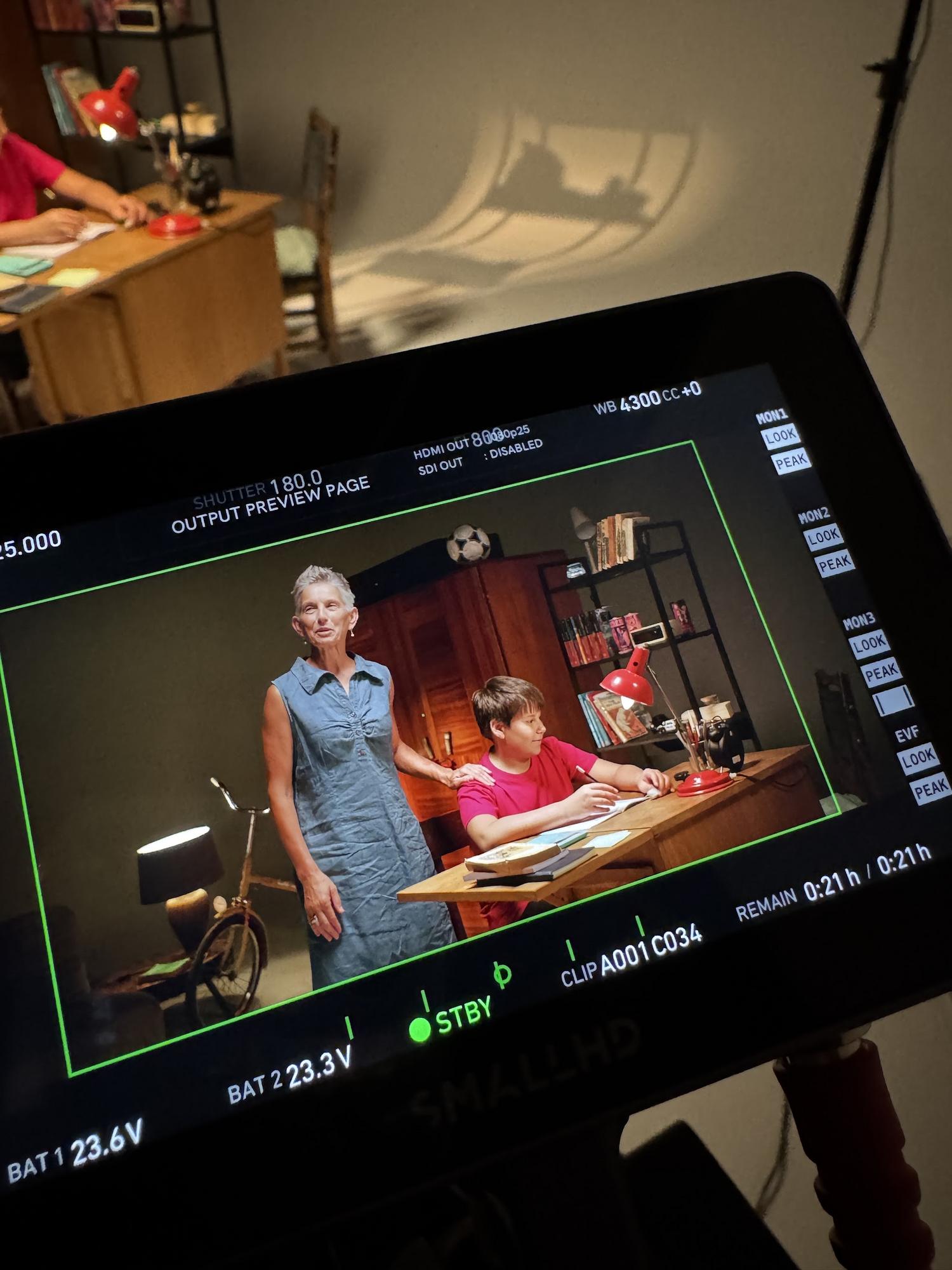
Introduction: The Selective Focus Paradigm and the Crisis of Authenticity
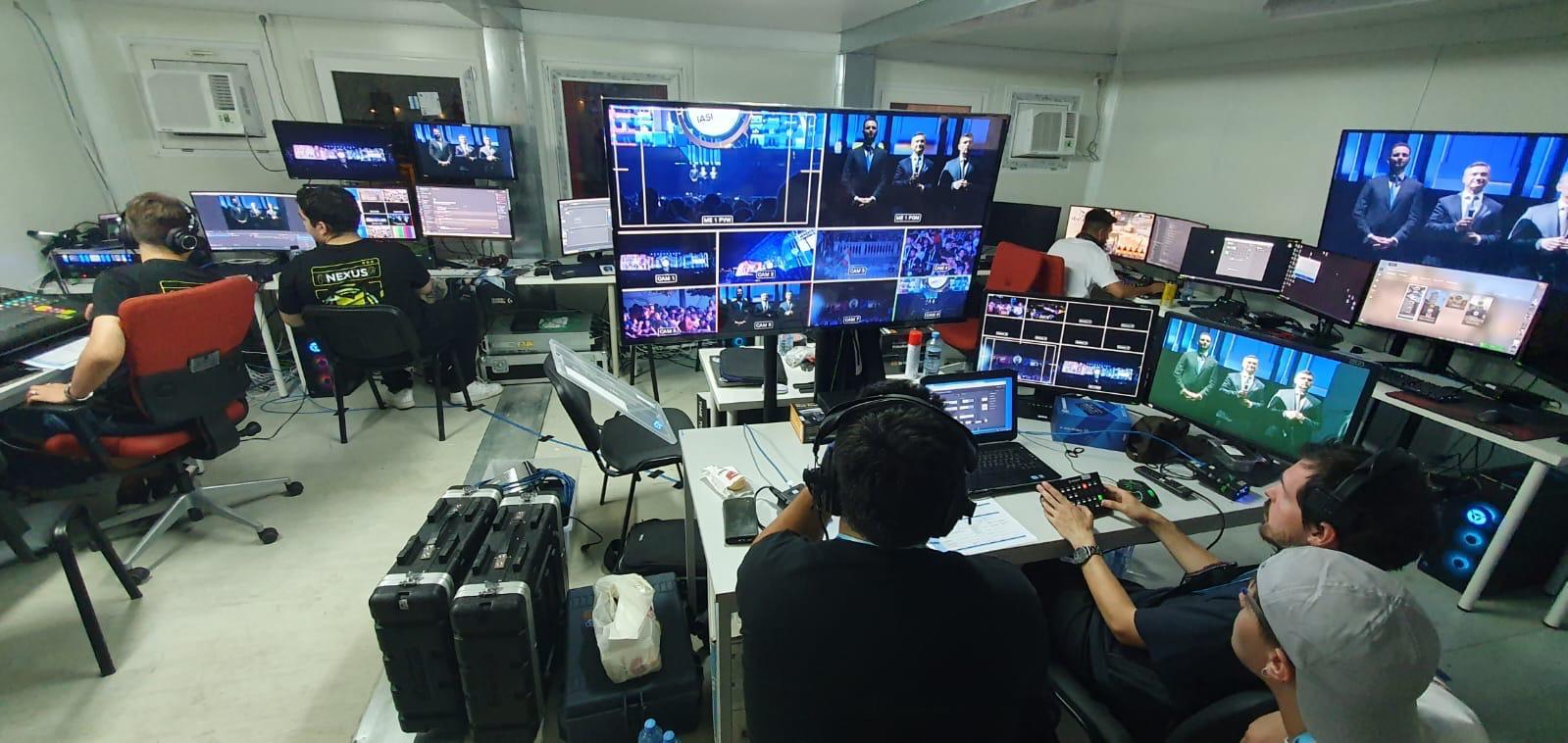
The crisis of authenticity in the digital era
In the digital landscape of 2026, the video production industry is no longer facing a problem of technological accessibility or distribution, but a deep crisis of attention and trust. We are at a turning point defined by the total democratization of synthetic generation tools, AI, where the capacity to produce massive volumes of content has outstripped the cognitive capacity of the user to process those same stimuli.
1. The AI Slop Phenomenon and the Erosion of Trust
The systematic appearance of what market analysis has defined as AI slop, that is, automatically generated, low-quality content that imitates the forms of human communication without delivering substance, has created a dangerous saturation effect. The data indicates that a significant proportion of the content distributed on platforms such as YouTube is already classified as synthetic, accumulating billions of views not through creative merit, but through the optimization of distribution algorithms.
For business brands, this has generated a paradox: while it is easier than ever to "appear" in the feed of a client, it is harder than ever to be "heard".
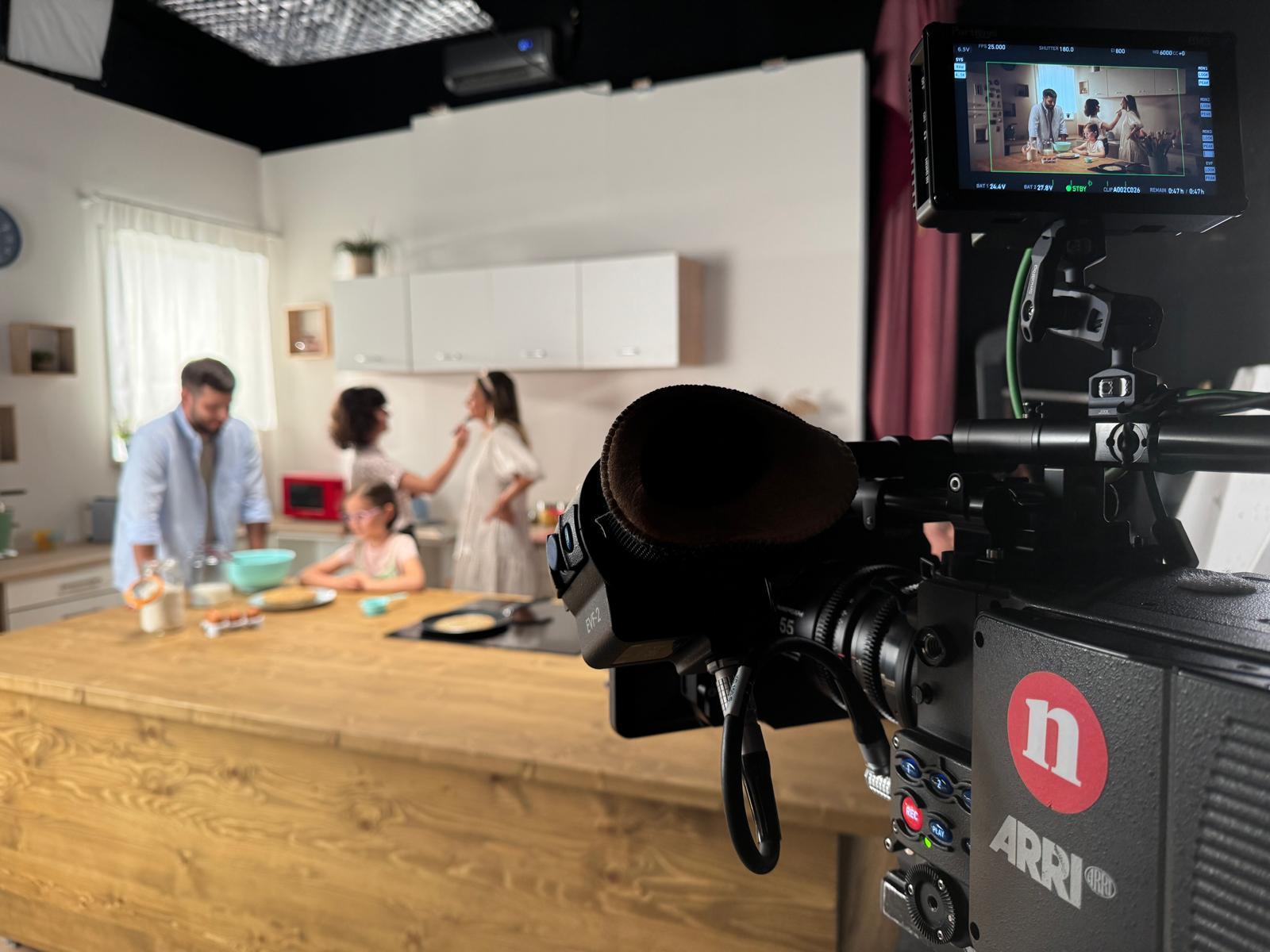
Content filtering mechanisms
The public has developed a psychological defence mechanism that we call "selective focus" . Users have not become indifferent; they have become extremely cautious about the cognitive bandwidth they allocate, instinctively filtering out any material that shows signs of artificiality, or a lack of anchoring in reality.
Let me expand a little on another phenomenon that we often misinterpret. The attention span of social media users cannot correctly be read as a simple cognitive decline; it has to be placed within the wider framework of the attention economy and of adaptive mechanisms for filtering information.
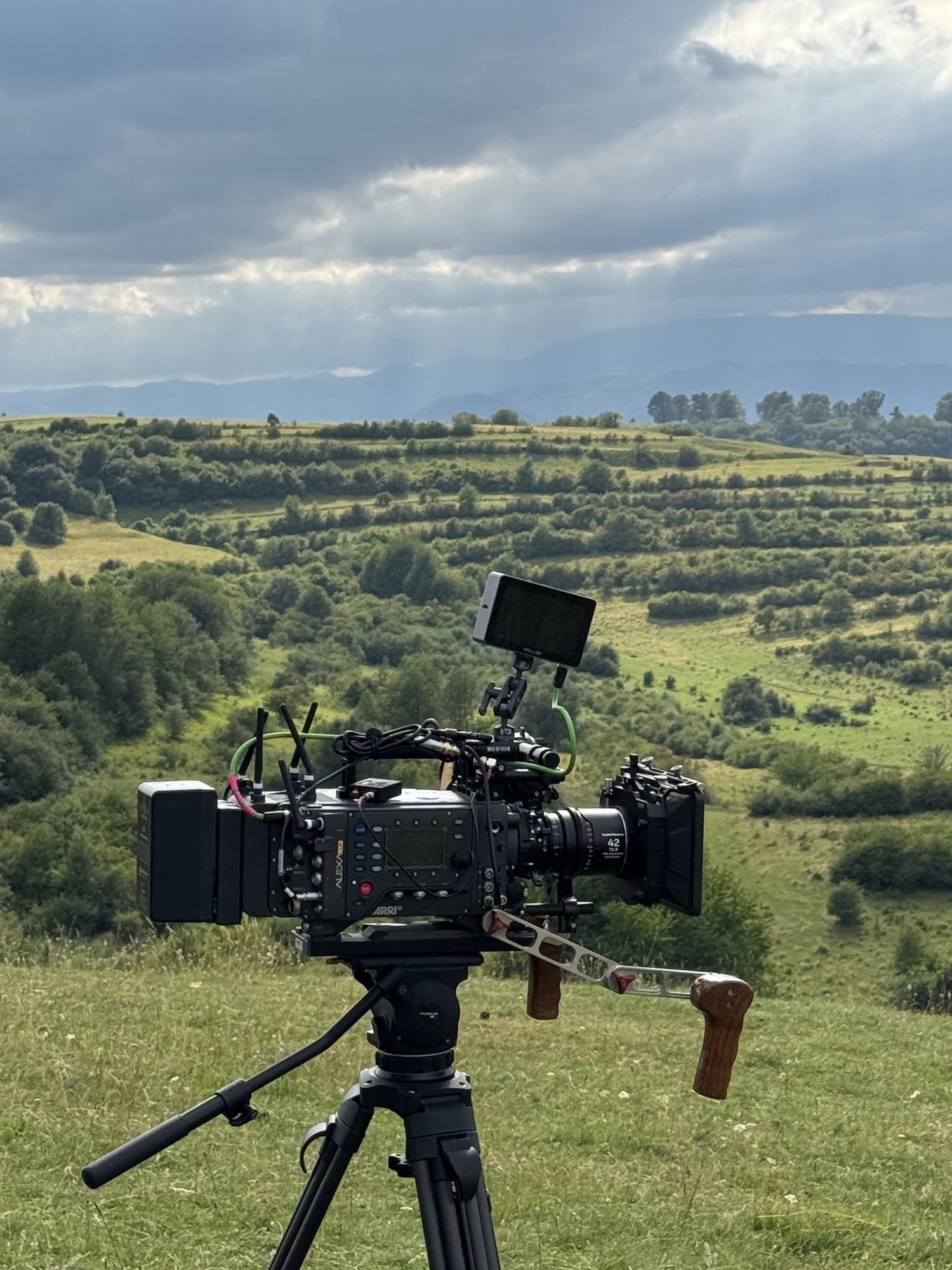
Recalibrating the tolerance threshold
The hypothesis I hold is that the phenomenon does not reflect a generalized reduction in the capacity of the individual to concentrate, but a recalibration of the threshold of tolerance towards content with no immediately perceptible value. The empirical argument supporting this distinction is simple: the same user who abandons a video clip after 2 or 3 seconds can sustain concentration through a reading of several hundred pages, as long as that content confirms its relevance to them. What differs, then, is not the attentional capacity itself, but the context in which it is called upon. In short, if your video material does not quickly show me that I have to watch it, I skip.
This recalibration can be understood as a direct effect of the architecture of digital platforms. Mechanisms such as infinite scroll and algorithmically optimized recommendation systems have conditioned the user to expect instant confirmation of the value of content, while also generating a perceived opportunity cost for abandoning a stimulus that does not meet this condition, the alternative always being one gesture away. In this sense, what is currently described as an erosion of attention can be reinterpreted more rigorously as a mechanism of active filtering, developed as an adaptive response to information overabundance, corresponding to the concept we named earlier, namely selective focus.
From this perspective, the implication for content production is not purely quantitative (reducing the duration or speeding up the editing rhythm), but qualitative: the central problem is not how short a piece of material has to be, but how quickly it manages to demonstrate, in the opening seconds, the reason why it is worth carrying on watching. Put differently, the challenge does not consist in compensating for a supposed inability of the audience to pay attention, but in earning, through clarity and immediate relevance, the right to their attention, a resource that is allocated, not lost.
2. From Polish to Proof: The New Currency of Storytelling
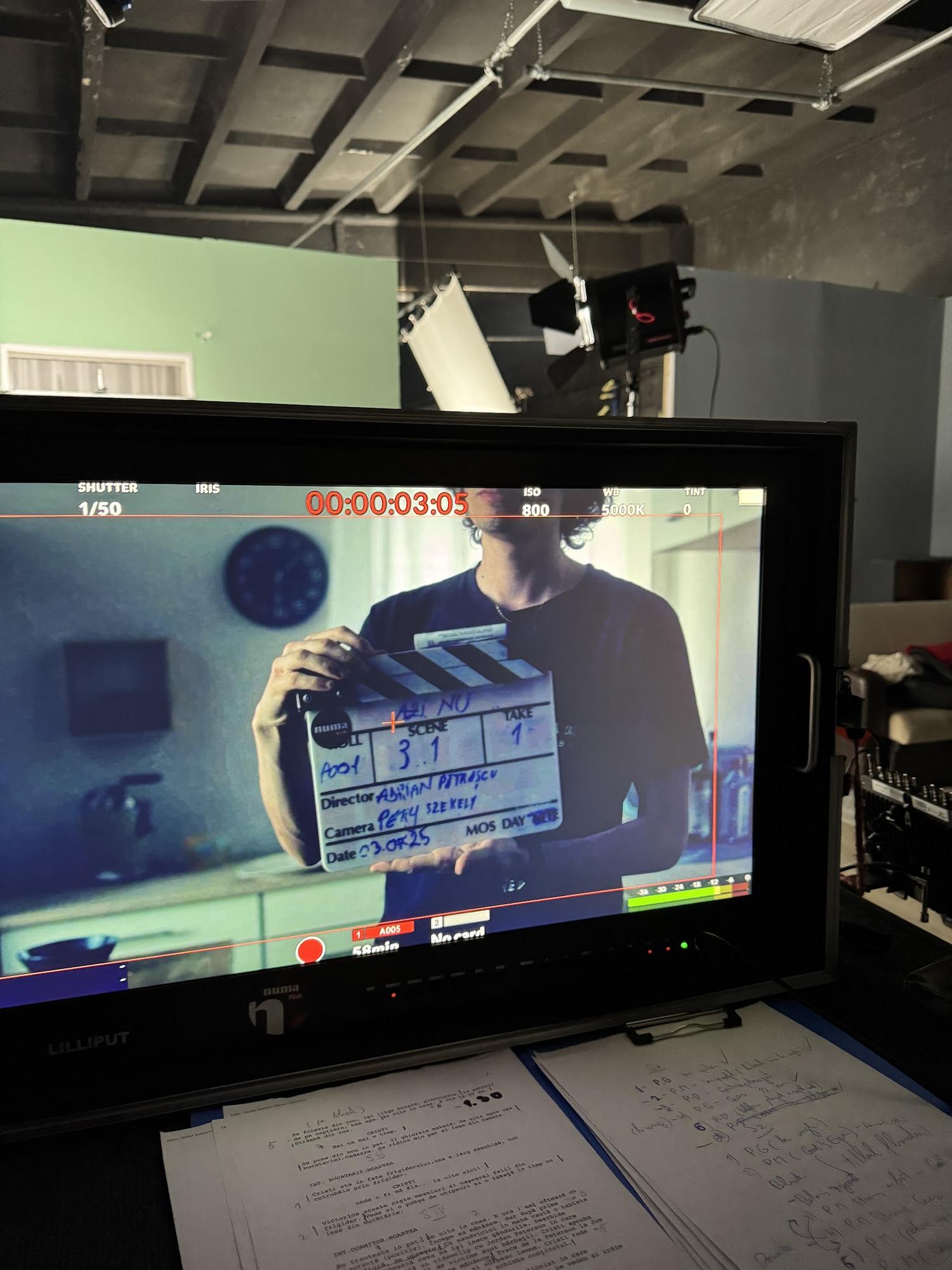
From aesthetics to proof
Until recently, the standard of professionalism in corporate video was defined by polish, that is, impeccable imagery, perfect framing and a sterile aesthetic (see all those ads in warm tones, super crisp). In 2026, this approach has become counterproductive. In a world where AI can generate perfect frames in a few seconds, perfection has ceased to be an indicator of quality and has become, paradoxically, a signal of distrust.
We believe and maintain that the major strategic differentiator is no longer the capacity to publish, but the capacity to earn credibility. Credibility is no longer seen as a simple legal compliance checkbox or a footnote, but as a fundamental creative layer.
The strategic shift we recommend to our clients is the one from the aesthetics of form to the aesthetics of proof. In this context, proof represents any visual element that demonstrates operational reality:
● Documented humanity: The physical presence of the experts, the tone of voice, the natural imperfections of a conversation. Paradoxically, imperfection is what makes us human.
● The materiality of the process: The rhythmic noise of an assembly line, the worn details of the equipment, the real safety rituals in a factory, and so on.
● The specificity of context: Real locations, real names and measurable, verifiable results that cannot be simulated through AI prompts.
3. Video as an Anxiety Management Tool
Video as an instrument of trust
In the B2B sector, the purchasing process is, in essence, a process of anxiety management . The modern buyer is not looking for inspiration, they are looking to avoid a wrong decision. In an environment saturated with synthetic promises, video remains the only medium capable of compressing reality efficiently enough to reduce uncertainty.
By presenting direct visual evidence, whether through a walkthrough of a facility or a technical tutorial, the brand stops making claims and starts presenting proof. This change of paradigm turns video from a marketing instrument into a utility for transferring trust .
I. The Strategic Framework: The Two Speeds Theory
In 2026, the conflict between short-form video and long-form video has been resolved through symbiotic integration. We are no longer talking about choosing a format, but about implementing an asymmetric strategy.
This is designed to respect the cognitive bandwidth of the prospect, giving them exactly the amount of information they need at each stage of the decision process.
1. The Attraction Speed (Short-form / Reach)
Strategic role: Activating attention and filtering the audience.
The Attraction Speed is not there to close a sale, but to meet the audience where they spend their time (TikTok, Reels, Shorts) and to reduce their initial anxiety through quick validation. In the era of selective attention, these clips work as entry doors that promise a solution to a specific problem.
● The Cognitive Mechanism (The Flow):
○ Fast hook: Identifying the problem in simple language, in the first 2 or 3 seconds. You do not open with a presentation of the company, but with the pain of the client.
○ Problem: Rapid exposure of the challenge in order to create emotional or professional resonance.
○ Source of solution: Presenting quick visual proof (a result, a feature) that demonstrates the solution exists.
○ CTA (Call to Action): A clear direction towards the Trust Speed (e.g. "See the full demonstration on the site" or "Download the technical guide").
● Production focus:
○ Dynamism and rhythm: Fast edits, removing unnecessary pauses and using visual elements that hold the interest.
○ Total accessibility: Subtitles are mandatory, because a large part of this content is consumed without sound.
○ The grammar of the platform: Adapting the format (9:16) and the visual language specific to each network so that it does not look like a foreign advert in the feed. Although, sometimes that is exactly what gives you a way in. Standing apart from the other material in the feed on the basis of visual aesthetics.
2. The Trust Speed (Anchor Videos / Trust)
Strategic role: Removing uncertainty and transferring authority.
If the Attraction Speed brings the audience into the proximity of the brand, the Trust Speed is what convinces them to buy. These are Anchor Videos (anchor videos), pillars of structured content that serve as a technical and educational resource.
The main objective is reducing the risk perceived by the buyer.
● The Cognitive Mechanism (The Validation):
○ Technical detail: In-depth analysis of the specifications, of the way it works and of the added value.
○ Process demonstration: Walkthroughs, virtual tours or case studies that show how it happens in reality. Here, proof beats polish (the polished aesthetic we were talking about earlier)
○ Validation through results: Presenting concrete evidence, specific testimonials and measurable results that turn the promise into fact.
● Production focus:
○ Structure and navigability: Using chaptering and time indexes to allow the user to jump straight to the information that interests them.
○ Informational depth: Complexity is not avoided, it is explained clearly. Durations range from 2 minutes (for brand stories) up to 30 minutes (for webinars or deep dives).
○ Signal quality: Prioritizing audio clarity and imagery that demonstrates reality (e.g. the real sounds of the factory or sincere interviews with experts).
II. Content Taxonomy: Types, Durations and Strategic Objectives
Modularity and strategic intent
In 2026, the success of a video strategy does not lie in volume, but in modularity and intent. We recommend a distribution of content based on the principle of the ladder of engagement: we lead the user from fast visual stimuli to exhaustive technical resources, adapting the duration and the complexity of the information according to the stage they are at in the sales pipeline. Video production will reward the marketing teams that embrace modularity, not single-use masterpieces.
What the videos will look like
Creators and brands will plan content like Lego pieces: intro, 3 to 5 segments, an optional Q&A, and several closing CTAs. Teams will cut the same core story into different lengths and aspect ratios, then publish these cuts on a set calendar.
The new production mindset
Instead of asking "What video should we make?", teams will ask:
What is the core recording we need to capture? (as a rule, the central contracted piece. The 30 or 45 second spot for social media)
Which moments in it deserve a clip of their own?
Which versions fit the rules of each channel?
For example, you are planning a shoot for a 30 sec spot for social media. Out of the pre-production meetings, making a triptych (a series of 3) might be proposed, for reasons of cost efficiency. So instead of one shooting day for 1 clip of 30 seconds, we have 1 shooting day for a series of 3 spots. If, during production, we make sure we also have a behind the scenes shoot, we could show the audience various stages in the making of the ads, and also the attention given to the brand of the audience, and why not, with limited means, produce content from the shoot for the client or brand with the aim of creating a major and fast impact on social media. Out of these 3 variations of spots and the behind the scenes material, a serious number of reels and stories for social media can be created, and why not, content for a written article or newsletter. An extended edit of the behind the scenes material combined with the finished ads can be distributed on the channels where longer content is accepted (e.g. YouTube).
A repurposing workflow you can actually apply
|
Stage |
Output |
Owner |
Quality check |
|
A single recording session (shooting in the documentary film register) |
20 to 60 minutes of footage |
Subject-matter lead |
Clear message + agenda |
|
Extract moments and build a list of the important moments |
10 to 20 time-stamped clips |
Marketer or editor |
Every clip has a single message |
|
Create versions according to the distribution channel |
9:16, 1:1, 16:9 exports |
Content lead |
Captions + safe margins |
|
Add several CTA (call to action) variants |
2 to 3 endings |
Marketing |
The CTA aligns with the audience |
|
Publish on a calendar |
2 to 4 weeks of posts |
Social or demand gen |
Avoid repetitive hooks |
A workflow you can actually apply
Micro-capsules for capturing attention
1. Micro-Capsules (The Discovery Layer)
Optimal duration: 15 to 45 seconds
Strategic function: Awareness and capturing attention.
These are atomic content units, designed to break through the selective attention of the user in fast-consumption feeds (TikTok, Reels, Shorts)
The psychology of the format: In the first 3 seconds, the micro-capsule has to name a specific problem in simple language. This is not the space for the history of the company, but for validating a pain of the client.
● Tactical structure:
○ Hook (0-3s): "Why does production line X stop every Tuesday?"
○ Quick proof (3-15s): An image of the faulty component vs. the optimized one.
○ Takeaway (15-30s): The simplified solution.
○ CTA (30-45s): Direction towards an Anchor type video for details.
Implementation example: A 30-second clip presenting a single newly introduced feature of a SaaS product, demonstrating the efficiency of the time saved.
Education through POV content
2. Mini-Tutorials and POV Content (The Education Layer)
Optimal duration: 60 to 180 seconds
Strategic function: Education, authority and humanization.
This format makes the transition from what the product is to how it works and who runs it. This is where the brand starts to transfer trust through human presence (founders, engineers, operators)
● The psychology of the format: The user has accepted the problem and is now looking for the shortest route to understanding. The Point of View (POV) format removes the barrier between company and client, offering an expert perspective.
● Tactical structure:
○ Contextualization: Defining the use case.
○ Step-by-step demonstration: The technical explanation of the process, without being excessively polished (authenticity)
○ Result: Demonstrating the immediate benefit.
● Implementation example: A production engineer who, standing next to the machinery, explains in 2 minutes how preventive maintenance is carried out in order to avoid unplanned stoppages.
3. Brand Stories and Immersive Walkthroughs (The Trust Layer)
Optimal duration: 2 to 3 minutes
Strategic function: Transfer of trust and operational validation.
These videos are the irrefutable proof of the business. In 2026 they are gradually replacing costly visits to the factory or the offices, offering a similar depth through immersive technologies.
The psychology of the format: The B2B buyer is looking to avoid a wrong decision. The walkthrough reduces anxiety by exposing reality: the facilities, the team, the safety standards and the workflow.
● Tactical structure:
○ Vision: The strategic objective of the company.
○ Immersion: A virtual tour of the production process or of the organizational culture.
○ Proof: Specific testimonials integrated into the context of the process.
● Implementation example: A 3-minute video documenting the traceability of the materials, from the ethical source through to the final product, demonstrating sustainability commitments through real images.
4. Deep Dives, Webinars and Training (The Conversion Layer)
Optimal duration: 8 to 30 minutes
Strategic function: Final conversion, retention and technical support.
This is the maximum level of engagement. The content is intended for those who have already passed through the awareness and education filters and need exhaustive specifications before buying.
● The psychology of the format: The user is now in analysis mode. They are no longer looking for a hook, but for a technical resource they can rely on
● Tactical structure:
○ Chaptering: Dividing the video into clear chapters to allow fast navigation
○ Comparative analysis: Detailing the advantages over the alternatives.
○ Q&A sessions: Answers to the most frequent technical objections.
● Implementation example: A 20-minute webinar in which an expert product manager demonstrates the complete integration of an automation system into an existing industrial infrastructure, including ROI analysis.
Synergy Matrix: From Fragment to Resource
To optimize production, Numa Film implements this derivation flow:
[High-Signal Session (30 min)] → [1 Anchor Video (Deep Dive)] → [3 Mini-Tutorials (POV)] → [10 Micro-Capsules (Hooks)].
Through this taxonomy, we turn every minute of filming into an entire credibility campaign, making sure that wherever the prospect enters our ecosystem (TikTok, LinkedIn or Website), they find exactly the level of visual proof they need in order to move towards conversion.
Numa Film Strategic Video Content Matrix (2026)
|
Strategic Speed |
Content Type |
Optimal Duration |
Main Objective |
Conversion Mechanism (Flow) |
Recommended Platforms |
Implementation Example |
|
Speed 1: Attraction (Reach) |
Micro-Capsules / Shorts |
15 to 45 sec |
Awareness(Discovery) |
Fast hook → Problem → Solution → CTA |
TikTok, Reels, YT Shorts |
A hook that names a specific industrial problem |
|
Speed 1: Attraction (Reach) |
Mini-Tutorials / POV |
60 to 180 sec |
Education(Authority) |
Context → Fast demonstration → Benefit → Video CTA |
LinkedIn, YT Shorts, Reels |
An engineer explaining how X works in front of the machinery |
|
Speed 2: Trust |
Brand Stories / Walkthroughs |
2 to 3 minutes |
Transfer of Trust |
Vision → Immersion (Proof) → Validation → CTA |
Website, LinkedIn, YouTube |
Factory tour or sustainability documentary. |
|
Speed 2: Trust |
Deep Dives / Webinars |
8 to 30 minutes |
Conversion(Final decision) |
Technical analysis → Full demo → Q&A → Video Conversion |
Website, YouTube, Intranet |
Technical webinar on integrating an automation system |
Fast Implementation Guide: The "Capture Once, Ship Everywhere" Flow
To maximize ROI, Numa Film recommends turning a single shooting session into a complete ecosystem:
1. A single recording session (shooting in the documentary film register): Record an Video Anchor (e.g. a webinar or a 30 min product demonstration, a spot for social media, a documentary film telling your company story)
2. Deconstruction: Extract 10 to 20 moments with individual value Modular Distribution:
○ 1 x Anchor Video → YouTube/Website (Depth).
○ 3 x Support Clips (60-90s) → LinkedIn (Professionalism).
○ 6-10 x Shorts/Reels (15-45s) → TikTok/IG (Reach).
○ 1 x Teaser (10-15s) → Paid Ads (Action).