

Let us be honest: we have all seen that video that blew up the internet last week. A simple format, a trending piece of music, a short message. The instinctive reaction of many brands is: "We want something like that too! Let us copy the format, change the logo and there we go, we go viral as well."
Tempting, is it not? But the reality behind it is far more complex. In the process of creating cinematic and commercial content, we have noticed a clear pattern: copying a viral strategy without a foundation of authenticity not only fails to work, it can actually damage the image of the brand.
Here is why copy and paste in digital marketing is a risky strategy, and why what really brings value is originality.

1. The Paradox of Artificial Perfection
In an era of artificial intelligence and omnipresent filters, consumers have developed an extremely fine radar for what is fake. The data shows that, although AI-generated images can be visually impressive, they are often perceived as too perfect to be authentic. Media consumers have also grown used to AI-created content and have developed the means to recognize it.
When a brand copies a viral trend without bringing something of its own personality, the result is similar to that of a generic AI image: the absence of an emotional connection.
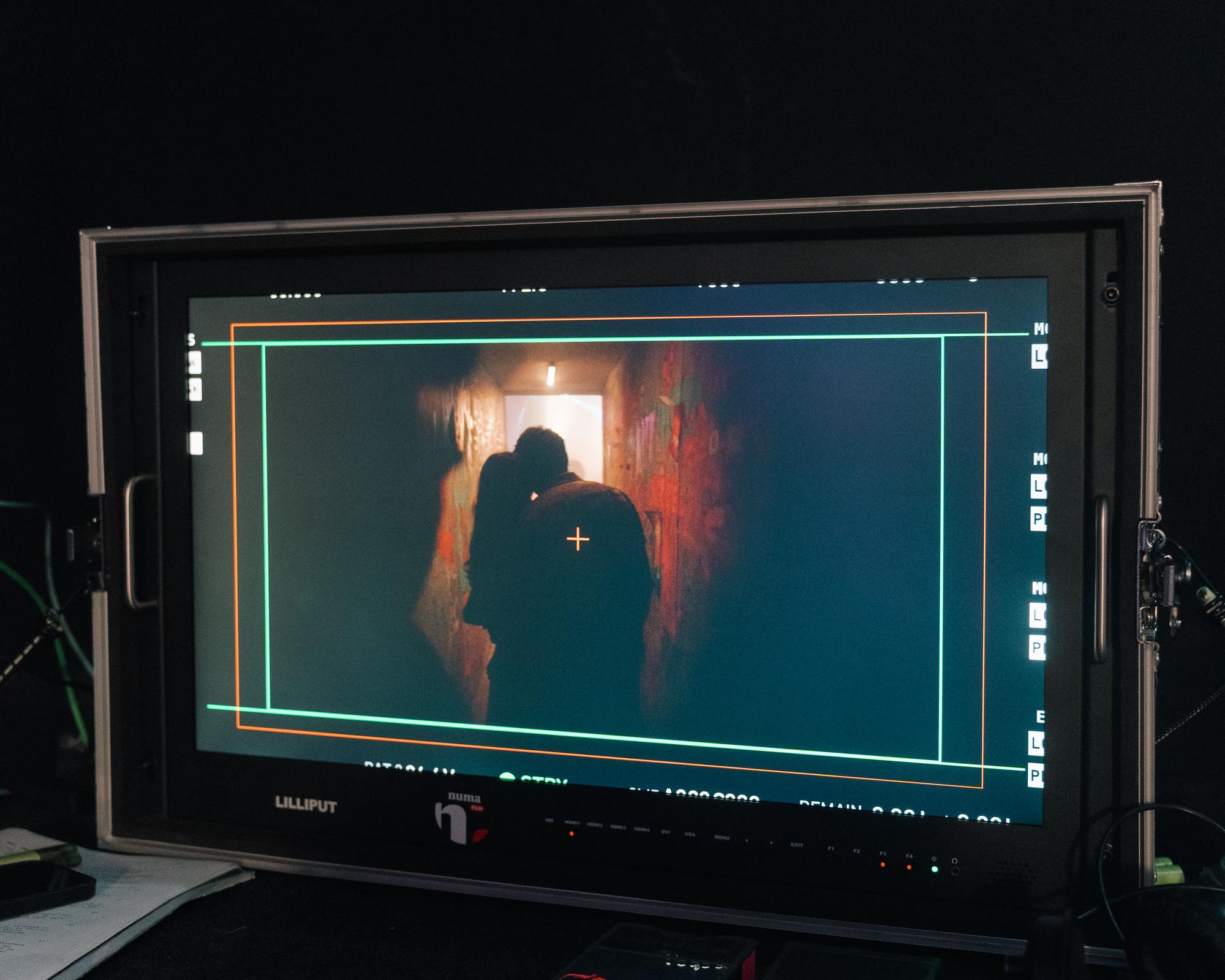
People do not engage with a format; they engage with a story and with an emotion. If the emotion is borrowed from someone else, it becomes robotic and artificial.
2. Authenticity: The New Currency
If we look at what makes a campaign succeed in the long run, the answer is simple: authenticity. Content created with a human, original vision generates significantly more likes, comments and shares than content that follows rigid or artificial patterns. Why? Because authenticity builds trust.

Consumers are far more inclined to engage with information and images they perceive as sincere and in line with their personal values
An original campaign tells the client: "We know who we are, we know what we offer and we respect our audience enough not to serve them a recycled product."
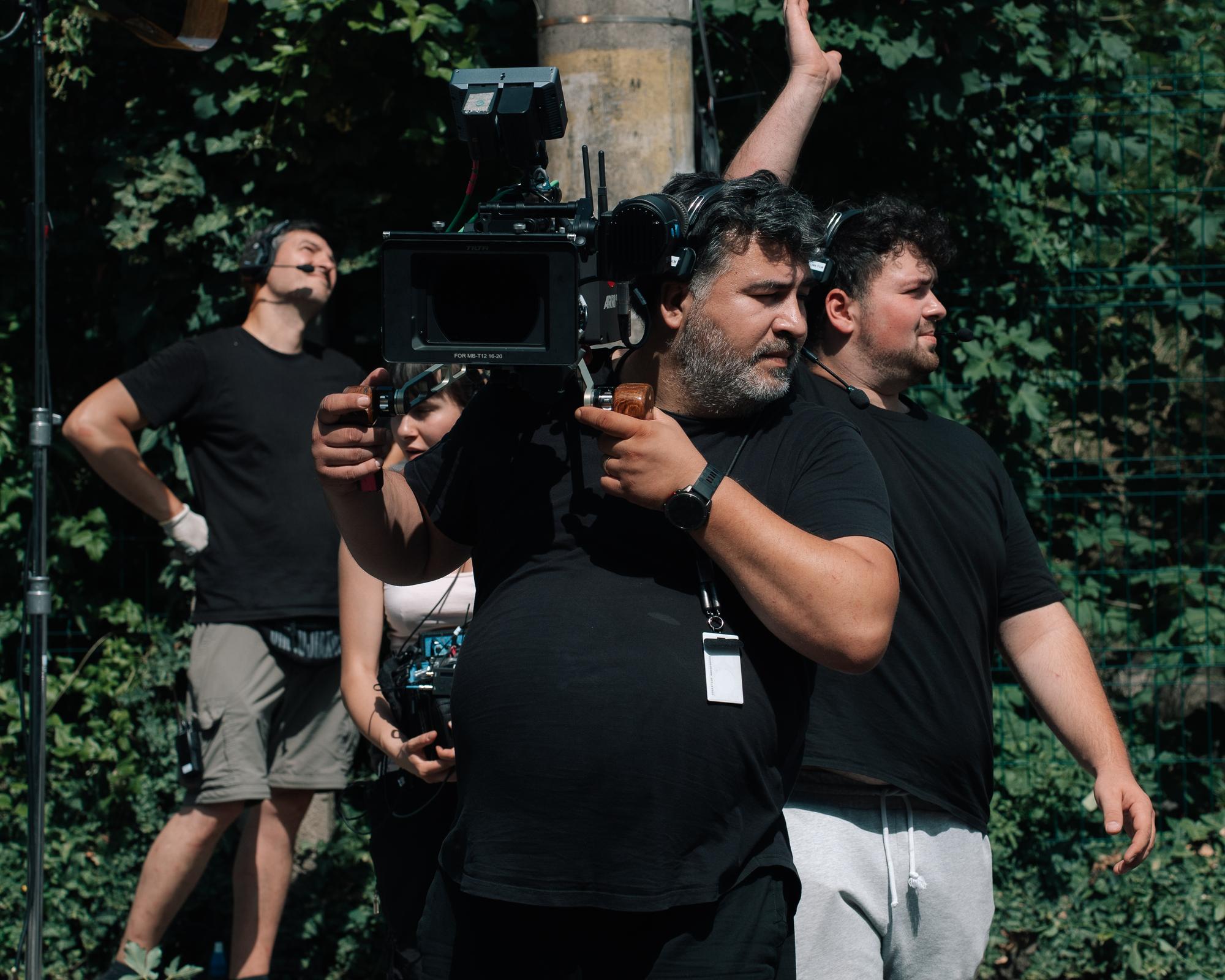
3. Originality as an Engine of Growth
Originality is not just a matter of aesthetics or art; it is an effective business strategy. Even in extreme crisis conditions, the companies that managed to survive and grow were the ones that adapted their communication to the real needs of people, using digital channels to create a real connection, not just to sell.
What does your brand gain when you invest in originality?

- Real differentiation: In a saturated market, being the one who copied well makes you invisible. Being the one who created something new takes you out of the grey mass.
- Increased loyalty: Clients do not become loyal to a video format, but to a brand identity. Originality turns a simple user into a fan.
- Long-term efficiency: A copied campaign can bring a temporary spike in views, but only authentic content creates a sustainable community.
How do we turn the desire to go viral into the desire to be relevant?
We believe the secret lies not in chasing the trend, but in using the trend as a canvas on which to paint your own story. Not copying formats, but building relevant stories through visual language.
Instead of asking yourself "What trend is working right now?", ask yourself: "Which part of my business is so unique that it deserves to be filmed?" or "What story would I want to tell?"

Whether we are talking about an independent project or a commercial campaign for a global brand, success comes from the balance between cinematic aesthetics and the truth of the brand.