
Introduction: The Selective Focus Paradigm and the Crisis of Authenticity
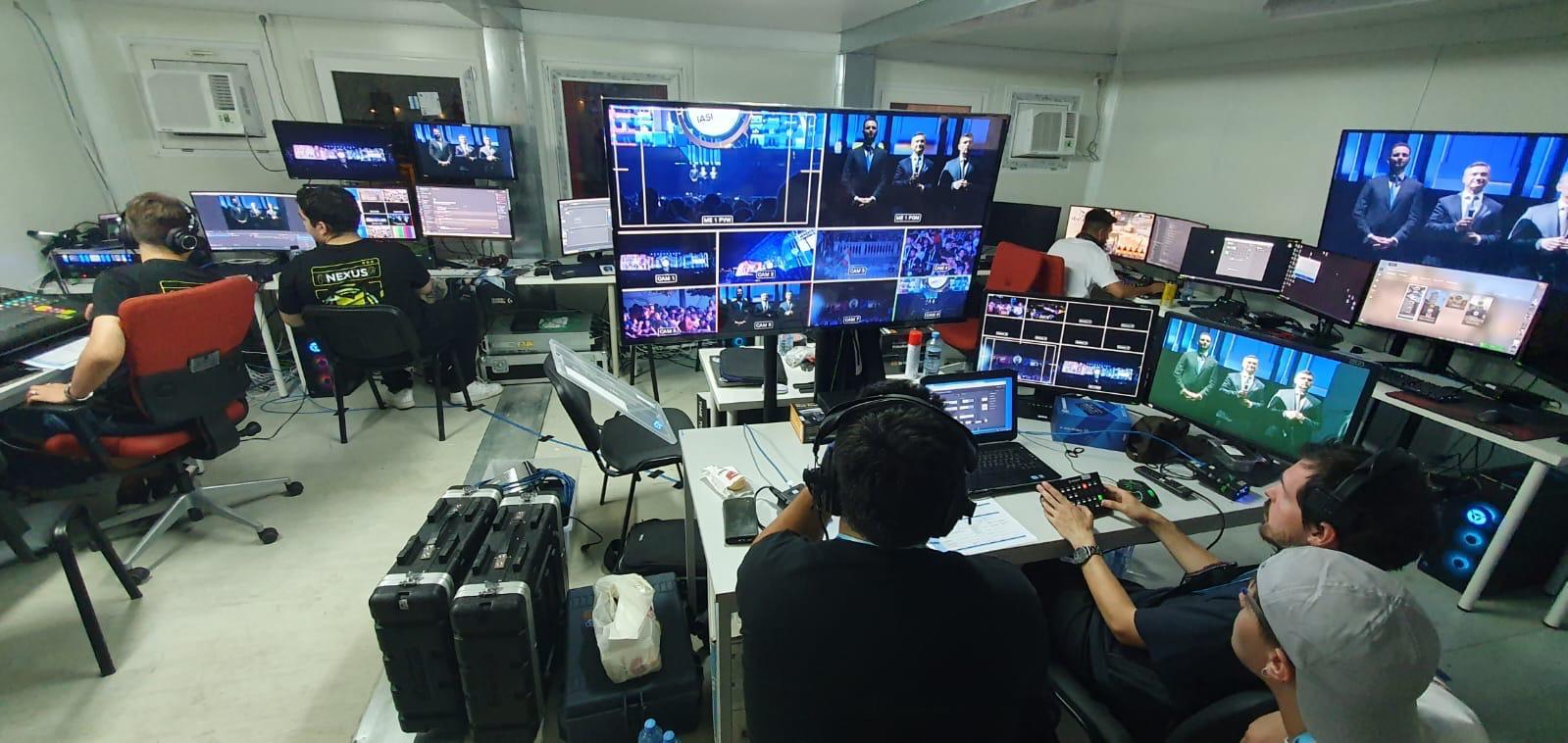
The crisis of authenticity in the digital era
In the digital landscape of 2026, the video production industry is no longer facing a problem of technological accessibility or distribution, but a deep crisis of attention and trust. We are at a turning point defined by the total democratization of synthetic generation tools, AI, where the capacity to produce massive volumes of content has outstripped the cognitive capacity of the user to process those same stimuli.
The systematic appearance of what market analysis has defined as AI slop, that is, automatically generated, low-quality content that imitates the forms of human communication without delivering substance, has created a dangerous saturation effect. The data indicates that a significant proportion of the content distributed on platforms such as YouTube is already classified as synthetic, accumulating billions of views not through creative merit, but through the optimization of distribution algorithms.
For business brands, this has generated a paradox: while it is easier than ever to "appear" in the feed of a client, it is harder than ever to be "heard".
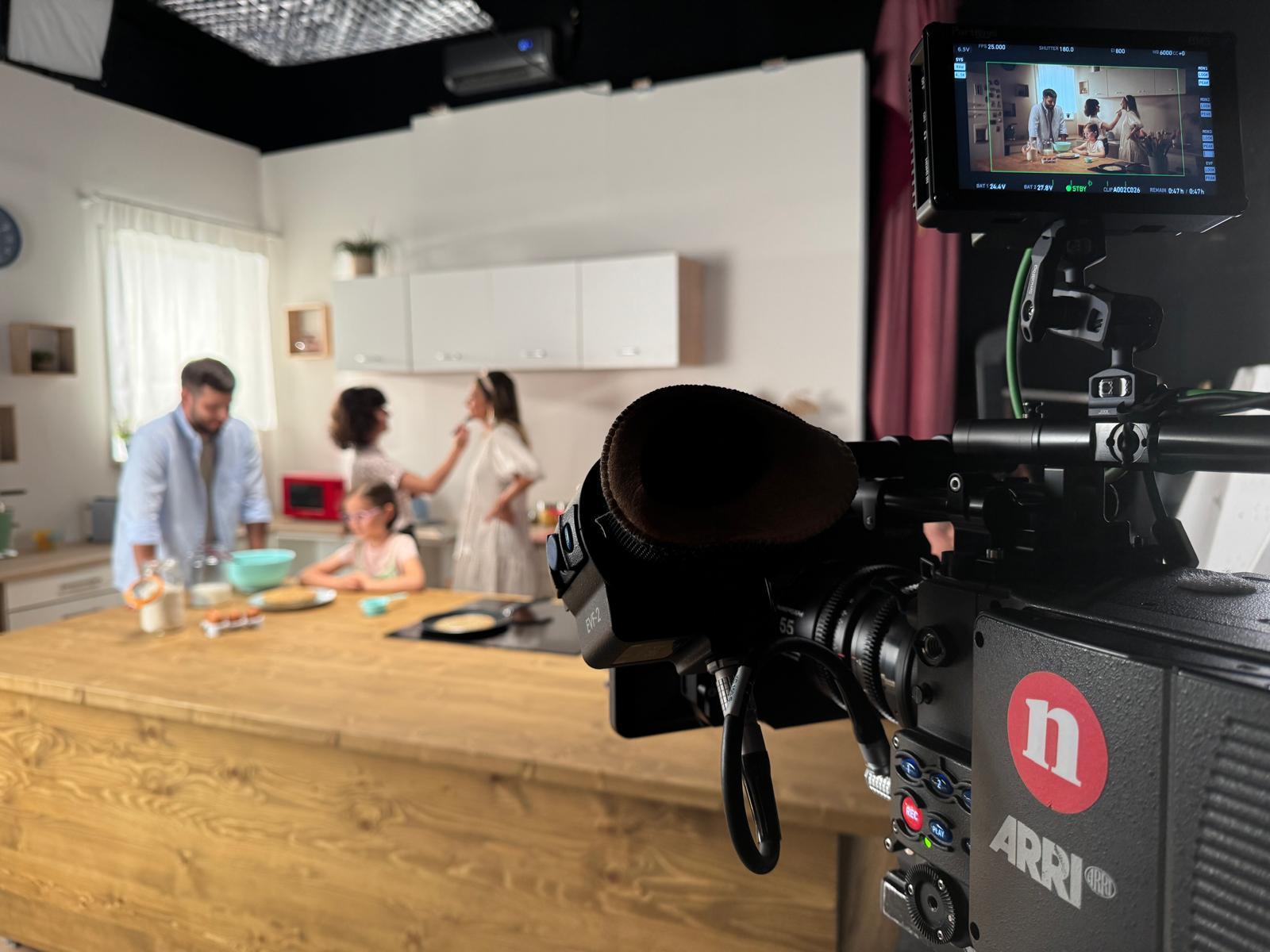
Content filtering mechanisms
The public has developed a psychological defence mechanism that we call "selective focus" . Users have not become indifferent; they have become extremely cautious about the cognitive bandwidth they allocate, instinctively filtering out any material that shows signs of artificiality, or a lack of anchoring in reality.
Let me expand a little on another phenomenon that we often misinterpret. The attention span of social media users cannot correctly be read as a simple cognitive decline; it has to be placed within the wider framework of the attention economy and of adaptive mechanisms for filtering information.
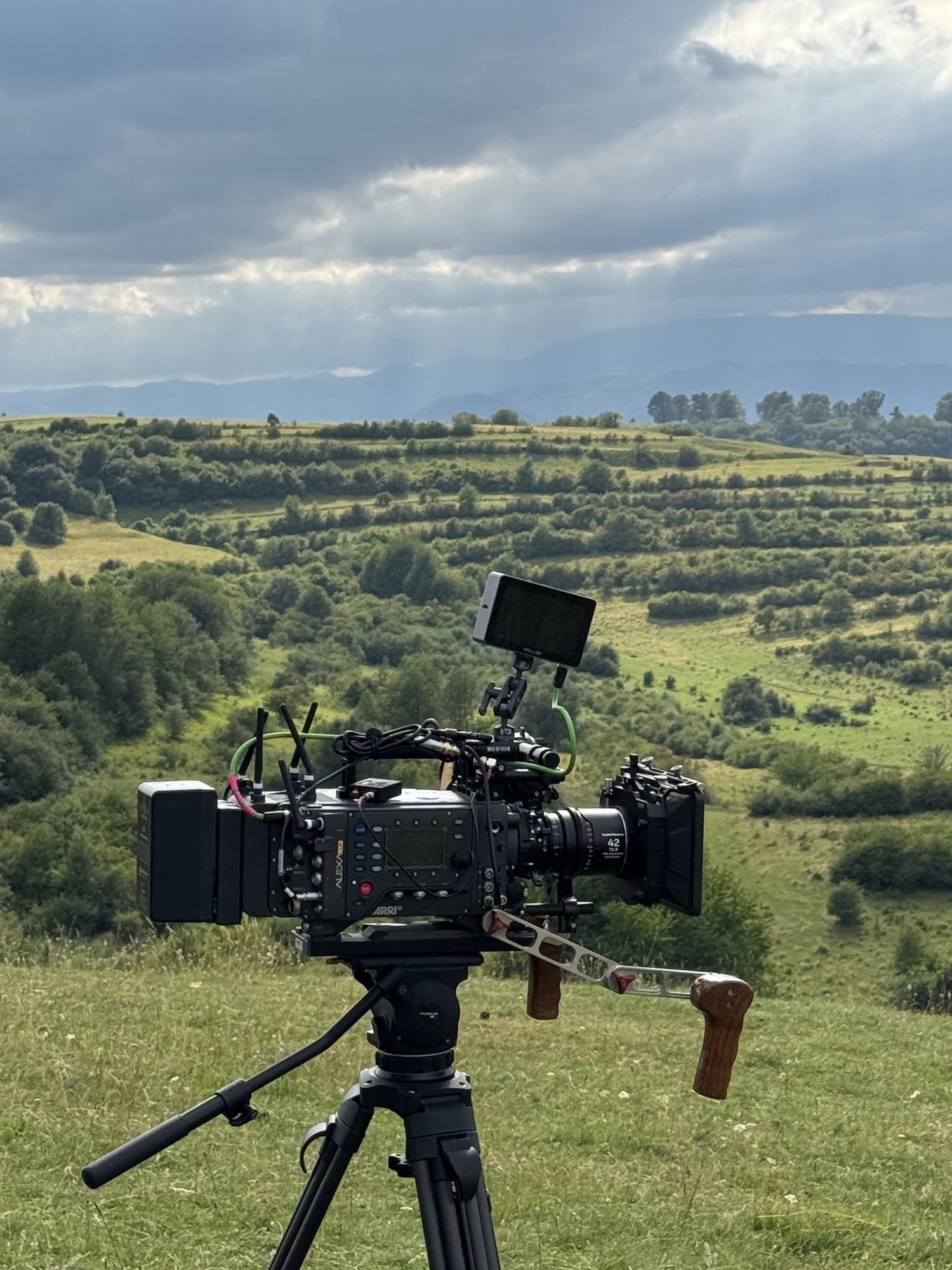
Recalibrating the tolerance threshold
The hypothesis I hold is that the phenomenon does not reflect a generalized reduction in the capacity of the individual to concentrate, but a recalibration of the threshold of tolerance towards content with no immediately perceptible value. The empirical argument supporting this distinction is simple: the same user who abandons a video clip after 2 or 3 seconds can sustain concentration through a reading of several hundred pages, as long as that content confirms its relevance to them. What differs, then, is not the attentional capacity itself, but the context in which it is called upon. In short, if your video material does not quickly show me that I have to watch it, I skip.
This recalibration can be understood as a direct effect of the architecture of digital platforms. Mechanisms such as infinite scroll and algorithmically optimized recommendation systems have conditioned the user to expect instant confirmation of the value of content, while also generating a perceived opportunity cost for abandoning a stimulus that does not meet this condition, the alternative always being one gesture away. In this sense, what is currently described as an erosion of attention can be reinterpreted more rigorously as a mechanism of active filtering, developed as an adaptive response to information overabundance, corresponding to the concept we named earlier, namely selective focus.
From this perspective, the implication for content production is not purely quantitative (reducing the duration or speeding up the editing rhythm), but qualitative: the central problem is not how short a piece of material has to be, but how quickly it manages to demonstrate, in the opening seconds, the reason why it is worth carrying on watching. Put differently, the challenge does not consist in compensating for a supposed inability of the audience to pay attention, but in earning, through clarity and immediate relevance, the right to their attention, a resource that is allocated, not lost.
2. From Polish to Proof: The New Currency of Storytelling
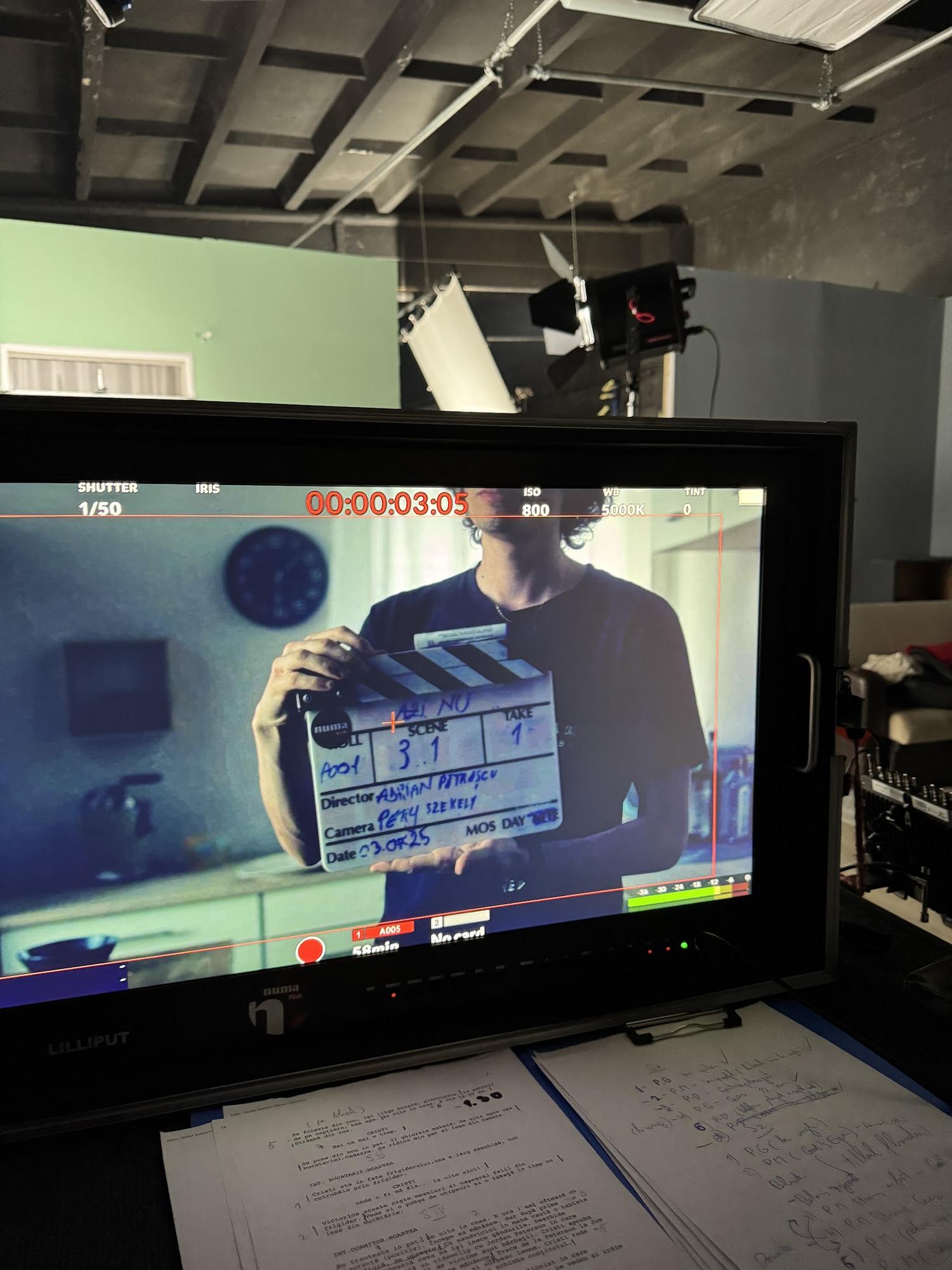
From aesthetics to proof
Until recently, the standard of professionalism in corporate video was defined by polish, that is, impeccable imagery, perfect framing and a sterile aesthetic (see all those ads in warm tones, super crisp). In 2026, this approach has become counterproductive. In a world where AI can generate perfect frames in a few seconds, perfection has ceased to be an indicator of quality and has become, paradoxically, a signal of distrust.
We believe and maintain that the major strategic differentiator is no longer the capacity to publish, but the capacity to earn credibility. Credibility is no longer seen as a simple legal compliance checkbox or a footnote, but as a fundamental creative layer.
The strategic shift we recommend to our clients is the one from the aesthetics of form to the aesthetics of proof. In this context, proof represents any visual element that demonstrates operational reality:
● Documented humanity: The physical presence of the experts, the tone of voice, the natural imperfections of a conversation. Paradoxically, imperfection is what makes us human.
● The materiality of the process: The rhythmic noise of an assembly line, the worn details of the equipment, the real safety rituals in a factory, and so on.
● The specificity of context: Real locations, real names and measurable, verifiable results that cannot be simulated through AI prompts.
Video as an instrument of trust
In the B2B sector, the purchasing process is, in essence, a process of anxiety management . The modern buyer is not looking for inspiration, they are looking to avoid a wrong decision. In an environment saturated with synthetic promises, video remains the only medium capable of compressing reality efficiently enough to reduce uncertainty.
By presenting direct visual evidence, whether through a walkthrough of a facility or a technical tutorial, the brand stops making claims and starts presenting proof. This change of paradigm turns video from a marketing instrument into a utility for transferring trust .
I. The Strategic Framework: The Two Speeds Theory
In 2026, the conflict between short-form video and long-form video has been resolved through symbiotic integration. We are no longer talking about choosing a format, but about implementing an asymmetric strategy.
This is designed to respect the cognitive bandwidth of the prospect, giving them exactly the amount of information they need at each stage of the decision process.
Strategic role: Activating attention and filtering the audience.
The Attraction Speed is not there to close a sale, but to meet the audience where they spend their time (TikTok, Reels, Shorts) and to reduce their initial anxiety through quick validation. In the era of selective attention, these clips work as entry doors that promise a solution to a specific problem.
● The Cognitive Mechanism (The Flow):
○ Fast hook: Identifying the problem in simple language, in the first 2 or 3 seconds. You do not open with a presentation of the company, but with the pain of the client.
○ Problem: Rapid exposure of the challenge in order to create emotional or professional resonance.
○ Source of solution: Presenting quick visual proof (a result, a feature) that demonstrates the solution exists.
○ CTA (Call to Action): A clear direction towards the Trust Speed (e.g. "See the full demonstration on the site" or "Download the technical guide").
● Production focus:
○ Dynamism and rhythm: Fast edits, removing unnecessary pauses and using visual elements that hold the interest.
○ Total accessibility: Subtitles are mandatory, because a large part of this content is consumed without sound.
○ The grammar of the platform: Adapting the format (9:16) and the visual language specific to each network so that it does not look like a foreign advert in the feed. Although, sometimes that is exactly what gives you a way in. Standing apart from the other material in the feed on the basis of visual aesthetics.
2. The Trust Speed (Anchor Videos / Trust)
Strategic role: Removing uncertainty and transferring authority.
If the Attraction Speed brings the audience into the proximity of the brand, the Trust Speed is what convinces them to buy. These are Anchor Videos (anchor videos), pillars of structured content that serve as a technical and educational resource.
The main objective is reducing the risk perceived by the buyer.
● The Cognitive Mechanism (The Validation):
○ Technical detail: In-depth analysis of the specifications, of the way it works and of the added value.
○ Process demonstration: Walkthroughs, virtual tours or case studies that show how it happens in reality. Here, proof beats polish (the polished aesthetic we were talking about earlier)
○ Validation through results: Presenting concrete evidence, specific testimonials and measurable results that turn the promise into fact.
● Production focus:
○ Structure and navigability: Using chaptering and time indexes to allow the user to jump straight to the information that interests them.
○ Informational depth: Complexity is not avoided, it is explained clearly. Durations range from 2 minutes (for brand stories) up to 30 minutes (for webinars or deep dives).
○ Signal quality: Prioritizing audio clarity and imagery that demonstrates reality (e.g. the real sounds of the factory or sincere interviews with experts).
Modularity and strategic intent
In 2026, the success of a video strategy does not lie in volume, but in modularity and intent. We recommend a distribution of content based on the principle of the ladder of engagement: we lead the user from fast visual stimuli to exhaustive technical resources, adapting the duration and the complexity of the information according to the stage they are at in the sales pipeline. Video production will reward the marketing teams that embrace modularity, not single-use masterpieces.
What the videos will look like
Creators and brands will plan content like Lego pieces: intro, 3 to 5 segments, an optional Q&A, and several closing CTAs. Teams will cut the same core story into different lengths and aspect ratios, then publish these cuts on a set calendar.
The new production mindset
Instead of asking "What video should we make?", teams will ask:
What is the core recording we need to capture? (as a rule, the central contracted piece. The 30 or 45 second spot for social media)
Which moments in it deserve a clip of their own?
Which versions fit the rules of each channel?
For example, you are planning a shoot for a 30 sec spot for social media. Out of the pre-production meetings, making a triptych (a series of 3) might be proposed, for reasons of cost efficiency. So instead of one shooting day for 1 clip of 30 seconds, we have 1 shooting day for a series of 3 spots. If, during production, we make sure we also have a behind the scenes shoot, we could show the audience various stages in the making of the ads, and also the attention given to the brand of the audience, and why not, with limited means, produce content from the shoot for the client or brand with the aim of creating a major and fast impact on social media. Out of these 3 variations of spots and the behind the scenes material, a serious number of reels and stories for social media can be created, and why not, content for a written article or newsletter. An extended edit of the behind the scenes material combined with the finished ads can be distributed on the channels where longer content is accepted (e.g. YouTube).
Stage | Output | Owner | Quality check |
A single recording session (shooting in the documentary film register) | 20 to 60 minutes of footage | Subject-matter lead | Clear message + agenda |
Extract moments and build a list of the important moments | 10 to 20 time-stamped clips | Marketer or editor | Every clip has a single message |
Create versions according to the distribution channel | 9:16, 1:1, 16:9 exports | Content lead | Captions + safe margins |
Add several CTA (call to action) variants | 2 to 3 endings | Marketing | The CTA aligns with the audience |
Publish on a calendar | 2 to 4 weeks of posts | Social or demand gen | Avoid repetitive hooks |
A workflow you can actually apply
Micro-capsules for capturing attention
1. Micro-Capsules (The Discovery Layer)
Optimal duration: 15 to 45 seconds
Strategic function: Awareness and capturing attention.
These are atomic content units, designed to break through the selective attention of the user in fast-consumption feeds (TikTok, Reels, Shorts)
The psychology of the format: In the first 3 seconds, the micro-capsule has to name a specific problem in simple language. This is not the space for the history of the company, but for validating a pain of the client.
● Tactical structure:
○ Hook (0-3s): "Why does production line X stop every Tuesday?"
○ Quick proof (3-15s): An image of the faulty component vs. the optimized one.
○ Takeaway (15-30s): The simplified solution.
○ CTA (30-45s): Direction towards an Anchor type video for details.
Implementation example: A 30-second clip presenting a single newly introduced feature of a SaaS product, demonstrating the efficiency of the time saved.
Education through POV content
2. Mini-Tutorials and POV Content (The Education Layer)
Optimal duration: 60 to 180 seconds
Strategic function: Education, authority and humanization.
This format makes the transition from what the product is to how it works and who runs it. This is where the brand starts to transfer trust through human presence (founders, engineers, operators)
● The psychology of the format: The user has accepted the problem and is now looking for the shortest route to understanding. The Point of View (POV) format removes the barrier between company and client, offering an expert perspective.
● Tactical structure:
○ Contextualization: Defining the use case.
○ Step-by-step demonstration: The technical explanation of the process, without being excessively polished (authenticity)
○ Result: Demonstrating the immediate benefit.
● Implementation example: A production engineer who, standing next to the machinery, explains in 2 minutes how preventive maintenance is carried out in order to avoid unplanned stoppages.
Optimal duration: 2 to 3 minutes
Strategic function: Transfer of trust and operational validation.
These videos are the irrefutable proof of the business. In 2026 they are gradually replacing costly visits to the factory or the offices, offering a similar depth through immersive technologies.
The psychology of the format: The B2B buyer is looking to avoid a wrong decision. The walkthrough reduces anxiety by exposing reality: the facilities, the team, the safety standards and the workflow.
● Tactical structure:
○ Vision: The strategic objective of the company.
○ Immersion: A virtual tour of the production process or of the organizational culture.
○ Proof: Specific testimonials integrated into the context of the process.
● Implementation example: A 3-minute video documenting the traceability of the materials, from the ethical source through to the final product, demonstrating sustainability commitments through real images.
Optimal duration: 8 to 30 minutes
Strategic function: Final conversion, retention and technical support.
This is the maximum level of engagement. The content is intended for those who have already passed through the awareness and education filters and need exhaustive specifications before buying.
● The psychology of the format: The user is now in analysis mode. They are no longer looking for a hook, but for a technical resource they can rely on
● Tactical structure:
○ Chaptering: Dividing the video into clear chapters to allow fast navigation
○ Comparative analysis: Detailing the advantages over the alternatives.
○ Q&A sessions: Answers to the most frequent technical objections.
● Implementation example: A 20-minute webinar in which an expert product manager demonstrates the complete integration of an automation system into an existing industrial infrastructure, including ROI analysis.
Synergy Matrix: From Fragment to Resource
To optimize production, Numa Film implements this derivation flow:
[High-Signal Session (30 min)] → [1 Anchor Video (Deep Dive)] → [3 Mini-Tutorials (POV)] → [10 Micro-Capsules (Hooks)].
Through this taxonomy, we turn every minute of filming into an entire credibility campaign, making sure that wherever the prospect enters our ecosystem (TikTok, LinkedIn or Website), they find exactly the level of visual proof they need in order to move towards conversion.
Numa Film Strategic Video Content Matrix (2026)
Strategic Speed | Content Type | Optimal Duration | Main Objective | Conversion Mechanism (Flow) | Recommended Platforms | Implementation Example |
Speed 1: Attraction (Reach) | Micro-Capsules / Shorts | 15 to 45 sec | Awareness(Discovery) | Fast hook → Problem → Solution → CTA | TikTok, Reels, YT Shorts | A hook that names a specific industrial problem |
Speed 1: Attraction (Reach) | Mini-Tutorials / POV | 60 to 180 sec | Education(Authority) | Context → Fast demonstration → Benefit → Video CTA | LinkedIn, YT Shorts, Reels | An engineer explaining how X works in front of the machinery |
Speed 2: Trust | Brand Stories / Walkthroughs | 2 to 3 minutes | Transfer of Trust | Vision → Immersion (Proof) → Validation → CTA | Website, LinkedIn, YouTube | Factory tour or sustainability documentary. |
Speed 2: Trust | Deep Dives / Webinars | 8 to 30 minutes | Conversion(Final decision) | Technical analysis → Full demo → Q&A → Video Conversion | Website, YouTube, Intranet | Technical webinar on integrating an automation system |
Fast Implementation Guide: The "Capture Once, Ship Everywhere" Flow
To maximize ROI, Numa Film recommends turning a single shooting session into a complete ecosystem:
1. A single recording session (shooting in the documentary film register): Record an Video Anchor (e.g. a webinar or a 30 min product demonstration, a spot for social media, a documentary film telling your company story)
2. Deconstruction: Extract 10 to 20 moments with individual value Modular Distribution:
○ 1 x Anchor Video → YouTube/Website (Depth).
○ 3 x Support Clips (60-90s) → LinkedIn (Professionalism).
○ 6-10 x Shorts/Reels (15-45s) → TikTok/IG (Reach).
○ 1 x Teaser (10-15s) → Paid Ads (Action).
If you ask anyone in the street who makes a film, the answer will almost certainly be "the director". And, in a way, they are right. But if you have ever sat through the credits of a film, and let us admit it, few of us have that kind of patience, you will have noticed dozens, sometimes hundreds of names scrolling past, each with a title that sounds like something important. Line Producer, Gaffer, Foley Artist, DIT. What do all these people actually do?
In this article we unravel the mystery: who really builds a film, what the key positions in a production are, what each of them is responsible for, and why, if the person who looks after the artificial plants on set disappears, the whole production can go into crisis. Yes, such a person really does exist. Let us look at how the team behind a film actually works.
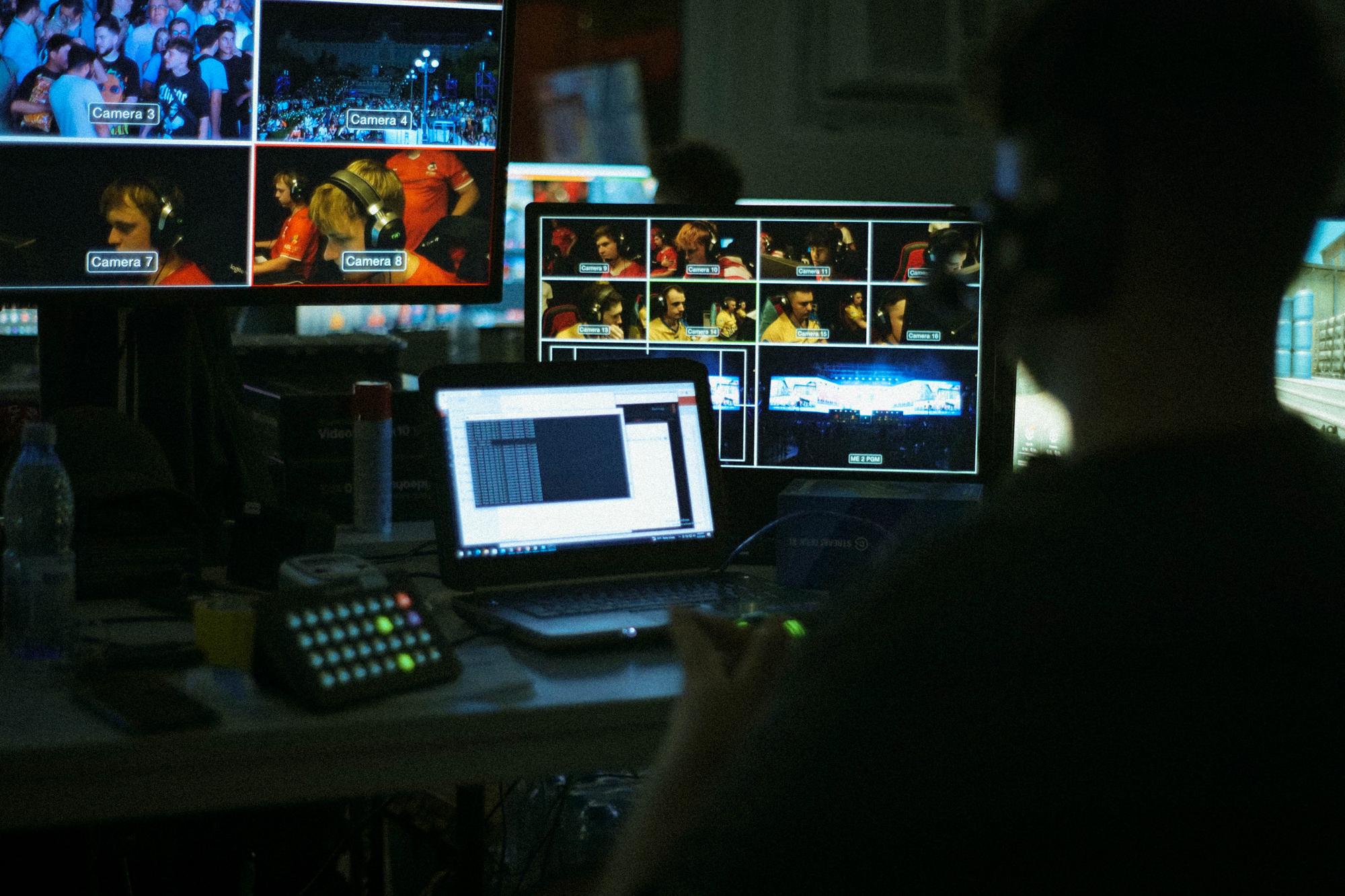
Before we get into the departments, we need a distinction that is fundamental to the industry: above-the-line and below-the-line, in Romanian above the line and below the line. It sounds like a philosophical metaphor, but it is, in fact, simply a matter of money and responsibility.
Above the line are the people who lead the project creatively and financially: the director, the producer, the screenwriter, the lead actors. They are the first hired, the last to leave, and as a rule they are paid a separately negotiated fee rather than a daily rate.
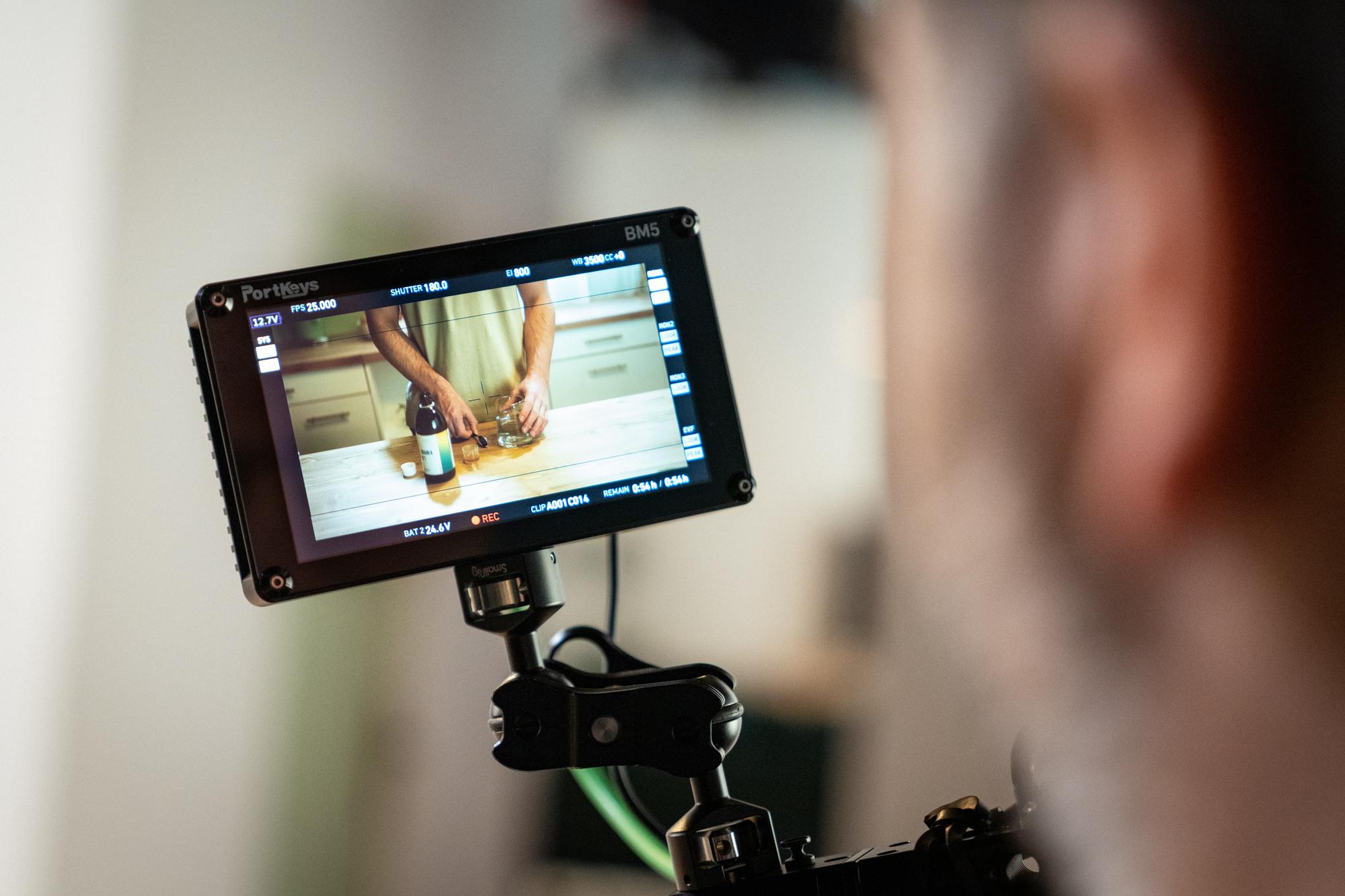
Below the line is everyone else: camera, lighting, sound, costume, make-up, transport. They are paid by the day or by the hour and they are, in practice, the machinery that turns creative ideas into real images. That is how it works across most of the industry; here in Romania, because of limited funding, these boundaries are often negotiated case by case, project by project.
With that distinction cleared up, we can move on to the departments.
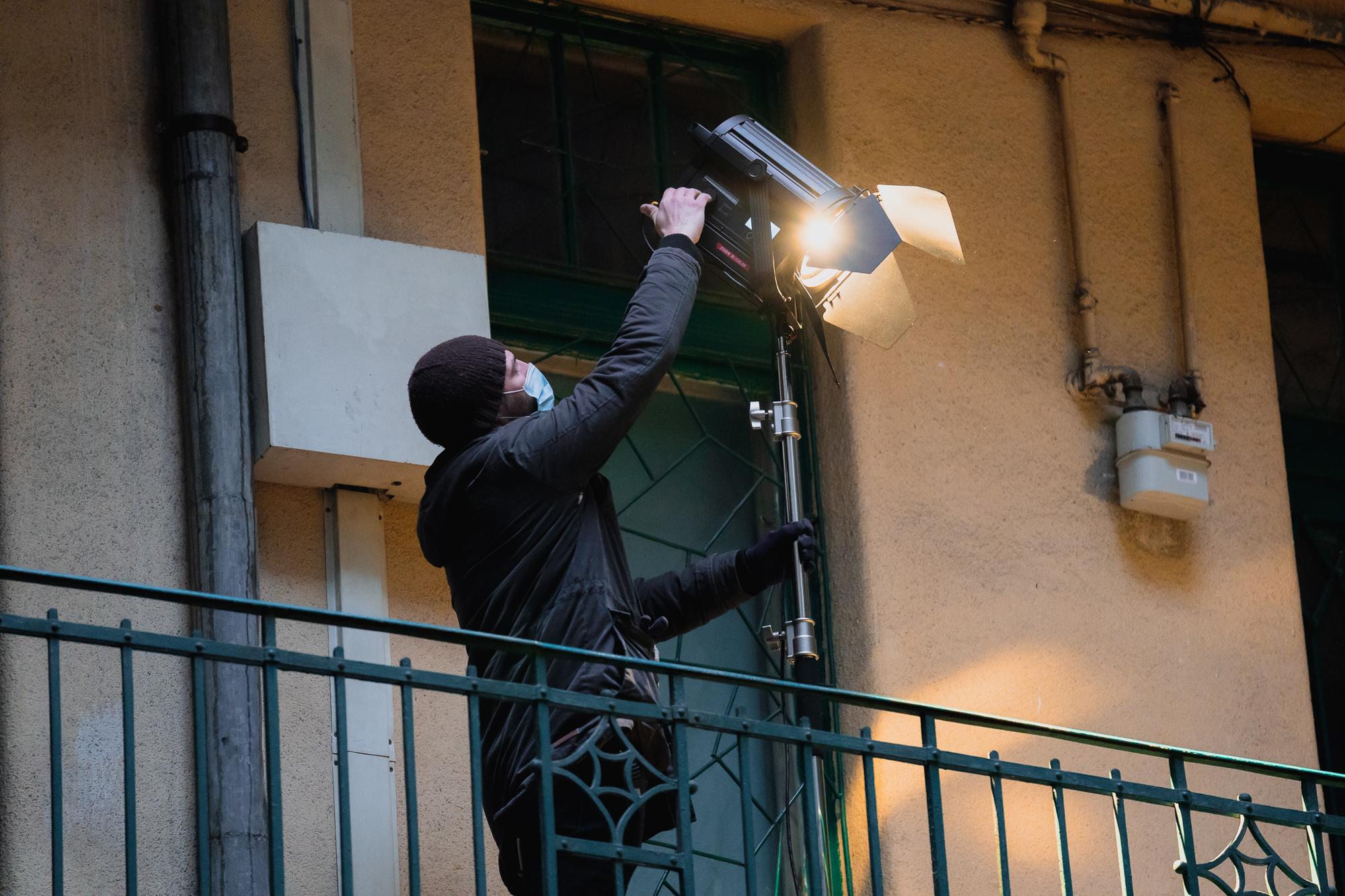
The producer is, if we want a comparison, the CEO of the film. They oversee everything, from the screenplay stage to release. They hire the crew, manage the budget, resolve conflicts, take the final decisions. They are omnipresent and, in theory, omniscient, or at least they ought to be.
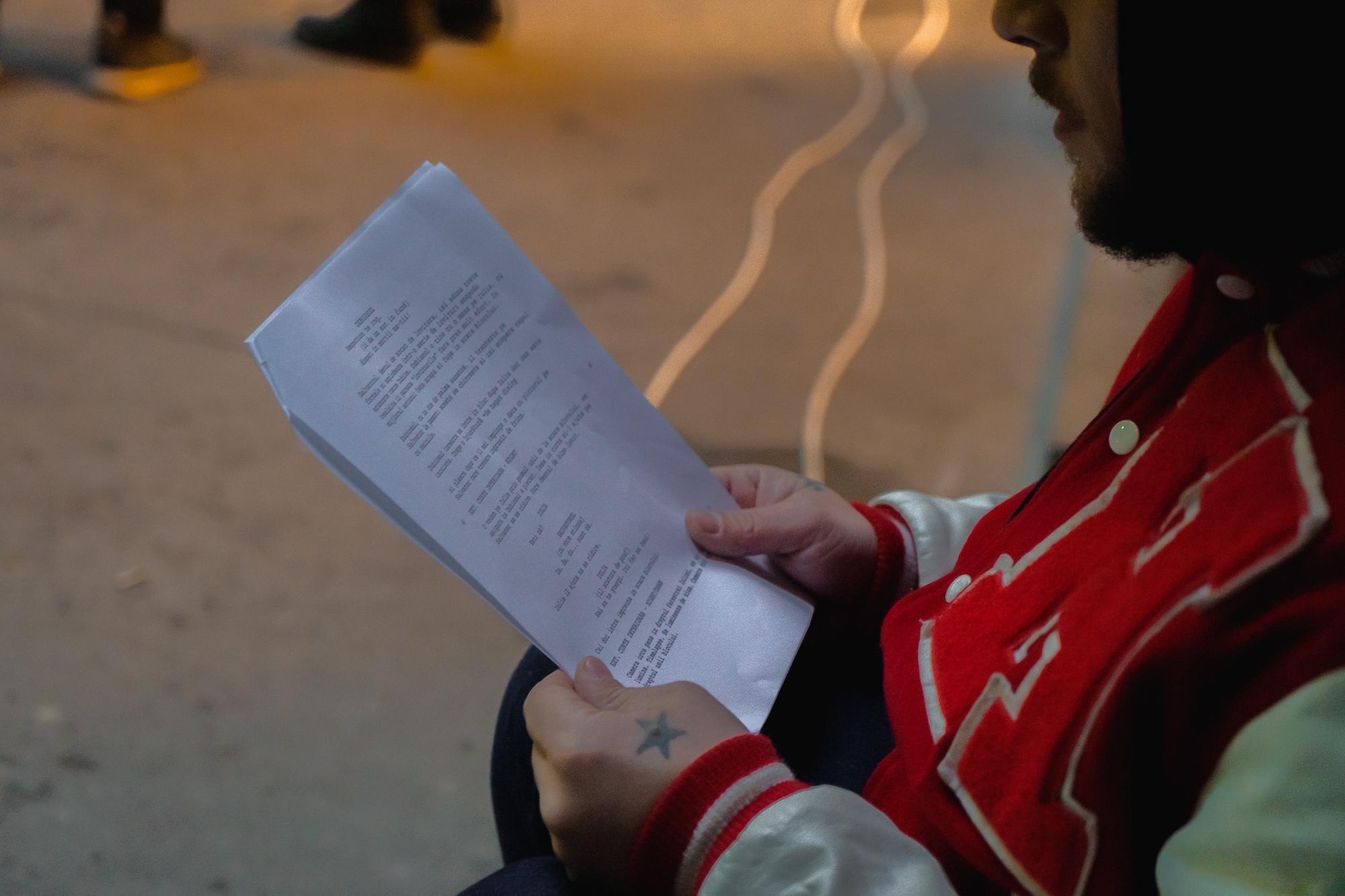
If the producer is the CEO, the line producer is the COO: the person on the ground, the one who handles the daily operations. They know exactly how much money was spent yesterday, how much will be spent tomorrow and where to cut if things start going off the rails.
The production manager is the chief administrator of the film. They handle the contracts with suppliers, the locations, bringing the crews together, the payroll and the paperwork that goes with it. If you have a question about wages or money on a set, they are the person you talk to.
This is a department that is rarely talked about, even though without it, quite simply, nothing gets anywhere. The transport coordinator (transportation coordinator) plans and organizes moving the people and the equipment, from camera, lighting and props to trailers for the actors and trucks for the generators, from one point to another, sometimes several times a day if the production is shooting in multiple locations.
The unit drivers take the crew, the actors and the equipment to and from the location, often on a tight schedule, because a single transport delay can throw off the plan for the whole shooting day. On large productions this department can grow to dozens of people and vehicles, effectively a small logistics operation in its own right, running in parallel with the shoot itself.
We all know this one, the face on the poster. The director leads the creative vision of the film, works with the actors, takes the decisions about performance, tone and rhythm. Every frame, every camera move, every pause in a line of dialogue is, ultimately, their decision.
What many people do not know: the director is not the absolute boss. They work closely with the director of photography, the production designer and the actors, and on certain productions, especially commercial ones, the producer has the final word. Making a film is, in essence, a permanent negotiation.
The first assistant director is responsible for making sure everything happens on time. They run the set day by day, set the shooting order, call "Rolling!" and "Cut!", keep the discipline and the pace. They are the person who manages to get 80 people in the right place at exactly the right moment. One of the most stressful jobs in the entire industry.
The Romanian title is a little misleading, this is not a "secretary" in the classic sense of the word. The script supervisor tracks the continuity of the film: if an actor wears a shirt with the sleeves rolled up in shot 1 and the sleeves down in shot 2, they are the one who has to notice. They write down absolutely everything the actor wore, what the light was like, how long the line took and from which second. Without this job, the film would be a nightmare to edit.
Turns the screenplay into sketched images, shot by shot. The director and the director of photography use the storyboard as a visual map of the film, long before a single frame is exposed.
The director of photography, or the DP as the role is known in the industry, is responsible for everything you see on screen visually. Together with the director they decide the camera angles, the movements, the exposure, the colors. They are the artist of light and of the frame.
A simple example: if the director says "I want to feel the loneliness of the character", the DP translates that into a distant camera, cold light, empty space in the frame. They are, in effect, a visual translator.
The DP does not work alone, they lead an entire department. The gaffer and the electrical team implement their lighting vision, the grips provide the mechanical infrastructure for the camera movements, and the camera operator and the camera assistants execute the shots. The DP is the one who establishes the visual language of the film, and then makes sure that everyone around them speaks the same language.
It is a position of great creative trust. On many productions, the director and DP relationship becomes one of the most important collaborations on the film, sometimes comparable to the relationship between director and lead actor. A good director knows how to communicate what they want the audience to feel; a good DP knows how to turn that feeling into light, angle and color.
If the DP decides what the shot looks like, the camera operator is the one who actually holds the camera and shoots. Some directors of photography do not operate themselves, concentrating instead on lighting and composition while the operator executes, but it is not a strict rule. Some DPs operate every chance they get.
Handles preparing and setting up the camera, along with everything that keeps it running properly. Together with the director of photography they build, maintain and troubleshoot the camera equipment, while also coordinating the rest of the team. Very often they are also the focus puller, the person responsible for focus: they keep the subject sharp in the frame and constantly measure the distance to the camera. They also check the equipment at the start of every shooting day. It is an extremely technical and stressful job: a shot that goes out of focus because of them will be seen by millions of people. No pressure, right?
Back in the days of shooting on film stock, this job did not exist. It appeared with the move to digital and today it is one of the most important, and least known, jobs on set.
The DIT is part of the camera department and works in close contact with the director of photography. In practice, they are responsible for everything that happens to the image once it has passed through the camera sensor: they apply LUTs (color profiles that give an idea of how the final image will look), check the exposure, manage the camera settings, the codecs, the resolution, the frame rate. If the DP has a visual vision, the DIT makes sure that vision survives the journey from sensor to file.
But the most critical part of the job is something else: data management. The DIT downloads the footage from the memory cards, makes at least two backup copies and checks every file bit by bit, to be sure nothing was corrupted in the transfer. If a card gets corrupted or a whole day of shooting is lost through carelessness, the blame is theirs. That is why the DIT is often the most focused person on set, a kind of notary of the image, who cannot afford a single mistake.
At the end of each day, the DIT also prepares the dailies, synced and with a basic color correction, which the director and the director of photography watch in order to check whether everything shot is good or whether retakes are needed. The material also goes on to the assistant editor.
On bigger sets, the DIT is helped by a data wrangler or loader, who deals strictly with transferring and organizing the files, leaving the DIT time to concentrate on the image.
A specialized operator, in the same way there are operators who shoot underwater. They operate a camera mounted on a stabilization system, which allows fluid movement without a tripod, the kind of long, continuous shot where the camera follows an actor down a corridor. It takes years of physical and technical training.
The gaffer is the head of the electrical department. They technically implement the creative vision of the creative team (director plus DP), choose the types of light, place them and adjust the intensities. The best boy (the assistant to the gaffer) is second in command and coordinates the team of electricians.
The key grip (Key Grip) leads the team responsible for the mechanical infrastructure of the camera, tripods, dolly track, cranes, stabilizers. Without them, the camera simply does not move anywhere.
On set, sound is just as important as image, but far more ignored. The production sound mixer records everything: the dialogue, the ambient sounds, the live effects. What they record today will be worked on further in post-production.
Holds the directional microphone, the boom, as close to the actors as possible without coming into frame. It is a permanent dance with the camera. And yes, it is hard to hold a heavy pole above your head for hours on end.
Before any camera starts rolling, someone has to find where the filming happens, and this is where the location manager comes in.
Everything starts from the screenplay. The location manager reads it carefully and pulls out every place mentioned: an apartment, a street, a forest, an office. They then send out a team of location scouts (location scouts) to look for suitable options, who come back with photographs, notes and impressions. Out of all this they build a shortlist, which they present to the director and the director of photography, because the final decision has to fit both the story and the visual vision of the film.
The creative part is only half the job. The other half is purely logistical, sometimes exhausting: negotiating with owners, obtaining filming permits from the town hall or other authorities, organizing parking for dozens of cars and equipment trucks, managing noise for the neighbours, arranging insurance for possible damage. The location manager is, in practice, the public face of the production, the person who has to keep good relations with the community where the filming happens, because a single unhappy neighbour can stop an entire day of shooting.
At the end, once the crew has left, the location manager is also responsible for the strike, returning the location to exactly the state in which it was found. If something has been damaged, they are also the one who handles the situation with the owner. It is a job where nobody notices you if you do it well, but everybody notices you if you get it wrong.
Creates the visual world of the film, the architecture, the colors, the texture of every space. Designs or chooses every set. If the director of photography manages the light, the production designer manages the space.
Fills the sets with objects, furniture, paintings, rugs, plants, books on the shelf. Turns a bare wall into a room that lives and breathes.
Manages every object the actors touch or use in the film, from a coffee cup to a weapon. For firearms there is, separately, an armorer (armorer), who makes sure everything is safe on set.
The plant person. Natural or artificial, they place them, look after them, reposition them. It sounds simple, but on big sets or in natural locations it becomes an entire department, and if it disappears, you notice immediately.
The head of the wardrobe department. They work with the director and the production designer to build a visual language through clothes, colors, textures and the style of the period. Every character is a story told partly through what they wear.
The representative of the costume department on set. They follow every detail, a wrong button, a shirt creased differently from the previous shot. Care for continuity, minute by minute.
Turns actors into characters. From natural everyday make-up to ageing effects, wounds or fantastical creatures, it is all in the hands of this department. Body make-up is a separate specialty.
Handles hair, hairstyles, wigs and extensions. Works closely with the make-up artists for a unified look.
A film set can run 12, 14, sometimes 16 hours. And nobody, absolutely nobody, works well hungry.
This is where two departments come in that are often confused, but are completely different. Catering handles the actual meals, breakfast, lunch, sometimes dinner, served at fixed times, usually regulated by contract or by union rules (for example, a meal break every six hours of work). The team often operates out of specially fitted trucks or from a dedicated space and has to take account of a long list of dietary requirements, vegetarian, vegan, gluten free, allergies, for dozens or hundreds of people, every single day.
Craft service, or crafty as it is colloquially known in the industry, is something else: a table with snacks, drinks, coffee and tea, available continuously throughout the day, between meals. It seems like a minor detail, but on a set where people work long and physically demanding hours, crafty often becomes the only place where the crew can stop for a few minutes, take a sip of coffee and breathe. Many people in the industry say the crafty table is a kind of safe zone on set.
Both departments are usually external companies or separately hired people, they are not part of the classic production hierarchy, but nobody underestimates their importance. A hungry crew is a slow crew, irritable and prone to mistakes. Happy crew, happy set is not just a slogan, it is an unwritten rule of the industry.
The editor takes all the filmed pieces, hundreds, sometimes thousands of takes, and turns them into a story that flows. They choose what stays and what gets cut, decide the rhythm, establish where a scene breathes and where it accelerates. You can have the best screenplay and the best shots in the world, but if the edit does not work, the film does not work either. That is why it is said, half jokingly, that a film is written three times: once in the screenplay, once on set and once in the edit.
Their work usually begins while the shoot is already under way. As the material comes in from the assistant editor, already organized, synced and labelled, the editor builds a first cut, called the first assembly cut or rough cut. It is a long, uneven version, more a skeleton than a film. From there the real work begins: refinement after refinement, version after version, until you reach what the industry calls picture lock, the moment when the image is considered final and nobody is allowed to touch it any more.
The editor works very closely with the director, sometimes closer than anyone else on the team. Together they choose the best take from a scene, decide whether a cut supports the emotion or breaks it, work out whether a two-second pause means tension or boredom. It is a relationship of total trust, the editor sees the film with fresh eyes, unburdened by the days of shooting, and very often they are the one who saves a scene that seemed not to work on set.
Beyond the image, the editor works closely with the colorists, the sound designers and the visual effects supervisors, so that all the pieces, color, sound and effects, come together in the final version of the film.
If the editor is the one who gives the film its final shape, the assistant editor is the one who makes it possible for the editor to concentrate only on the creative side.
They take in all the filmed material, image, sound, the continuity notes from the script supervisor, and organize it into a clear system: they name the files, sync the sound with the image, build the folder structure the editor will work from. In practice, they turn the raw chaos of a shooting day into a library you can navigate.
It is a job that demands almost obsessive organization. On a feature film hundreds of hours of material can pile up, and the assistant has to know exactly where every take is, every variant, every audio file. Beyond organization, they also handle the technical side, solving software problems, preparing the exports, building a temporary library of music and effects for the editor and, at the end of the project, handling the conform process, that is, rebuilding the final edit with the original, highest quality material.
Many of the editors working today started out as assistant editors, it is a classic route in the industry.
Original film music is not accidental. The composer creates the score that amplifies the emotion, supports the action and defines the sonic identity of the film. From John Williams to Hans Zimmer, the composer is one of the most powerful voices in a film.
If the sound mixer on set records what really happens in front of the camera, the sound designer does exactly the opposite: they build everything that does not exist in reality, but has to exist in the film.
They come in after the shoot has finished and start building, essentially from scratch, the sonic world of the film, footsteps on gravel, the rustle of a coat, the howl of the wind, the boom of an explosion, the sound of a spaceship which, obviously, never existed. Some of these sounds come from huge audio libraries, but many are recorded specially, sometimes with completely unexpected objects, then shaped and distorted in audio editing software until they become exactly what the scene needs.
Beyond the technical side, the job is deeply narrative. Sound does not simply accompany the image, it supports it emotionally. An empty room can feel peaceful or oppressive, depending on what we hear in the background; a sudden silence can create stronger tension than any music. At the end of the process, all the layers, dialogue, ambient sound, effects, foley and music, arrive at the mix, where they are balanced into a coherent whole. On large productions this process is led by a supervising sound editor (supervising sound editor), a term often used almost interchangeably with sound designer.
If you thought the sound of footsteps in a film comes from the microphone on set, surprise, it almost never does. That sound was created, much later, in a studio, by striking two pieces of footwear against a suitable surface, in time with the image on screen.
That is what the foley artist does. They recreate, live, all the sounds of human movement that the microphone on set did not pick up well: footsteps, the rustle of clothes, the handling of an object, a door closing, a fist fight. Sound recorded directly on set is most of the time too contaminated by ambient noise to be used as it is, so these details are built separately, with an almost musical precision.
They work in a special space, called a foley stage, fitted with dozens of different surfaces: wood, concrete, grass, sand, gravel, tile, metal, each one ready to recreate exactly the right kind of sound for a particular scene. They also have an impressive collection of odd objects at their disposal: shoes of every kind, gloves, textiles, keys, dishes, tools. It is a job that demands a rare combination: a musical ear, a sense of rhythm, physical dexterity and, perhaps most important, imagination. The sound of breaking bones can come from a stick of celery snapped in two; the footsteps of a dinosaur can be created with a bag full of jelly and a pair of heavy boots.
Designs, casts and choreographs all the dangerous scenes in the film. They work with the director to create the illusion of danger under conditions of maximum safety. The stunt performers execute the scenes, but the coordinator is the brain behind them.
Even though visual effects are finished in post-production, the VFX supervisor is present on set from the first days of shooting, to make sure the camera data, the tracking markers and the lighting are captured correctly for later use. Without them, everything that follows in post would be chaos.
The colorist comes in at the last stage of post-production, only after the editor has finished the cut and the film has reached picture lock. And yet, they are one of the people who decide how we actually feel the film.
Their work starts with color correction, the technical, boring but essential part, in which they even out exposure and color temperature between shots, so that you cannot feel the difference between a take shot in the morning and one shot in the afternoon. Only once the image is technically clean does the truly artistic part begin: color grading. Here the colorist, together with the director and the director of photography, decides the visual identity of the film: a cold, clinical palette, a warm and nostalgic one, or a heightened, almost stylized contrast.
Color is not only aesthetic, it is story. A tense scene can be pushed towards dense shadows and hard contrast; a memory can be given a warm, slightly faded tint, so that we feel the difference between present and past without saying anything in words. The colorist uses the same tools as a painter, except that their palette is contrast curves, saturation and selective hues in a program such as DaVinci Resolve.
And, as a final complication: today a film no longer has a single final version. The colorist has to deliver several versions, one for cinema, one for HDR on the streaming platforms, one standard version for television, all starting from the same story, but technically adapted for each screen they will end up being seen on.
Hundreds of people, dozens of departments, all with a single goal: to make that perfect shot. Next time you watch a film and feel the urge to leave while the credits roll, do not leave. Read them. Every name up there represents months of work, long hours, a lot of coffee and a lot of passion.
There are, of course, corners left unexplored, how a boom is positioned depending on the type of scene, for example, is a discussion for another time. But with this guide you already have the basics: you know who does what, who works with whom and why every link in the chain matters.
Let us be honest: we have all seen that video that blew up the internet last week. A simple format, a trending piece of music, a short message. The instinctive reaction of many brands is: "We want something like that too! Let us copy the format, change the logo and there we go, we go viral as well."
Tempting, is it not? But the reality behind it is far more complex. In the process of creating cinematic and commercial content, we have noticed a clear pattern: copying a viral strategy without a foundation of authenticity not only fails to work, it can actually damage the image of the brand.
Here is why copy and paste in digital marketing is a risky strategy, and why what really brings value is originality.

In an era of artificial intelligence and omnipresent filters, consumers have developed an extremely fine radar for what is fake. The data shows that, although AI-generated images can be visually impressive, they are often perceived as too perfect to be authentic. Media consumers have also grown used to AI-created content and have developed the means to recognize it.
When a brand copies a viral trend without bringing something of its own personality, the result is similar to that of a generic AI image: the absence of an emotional connection.
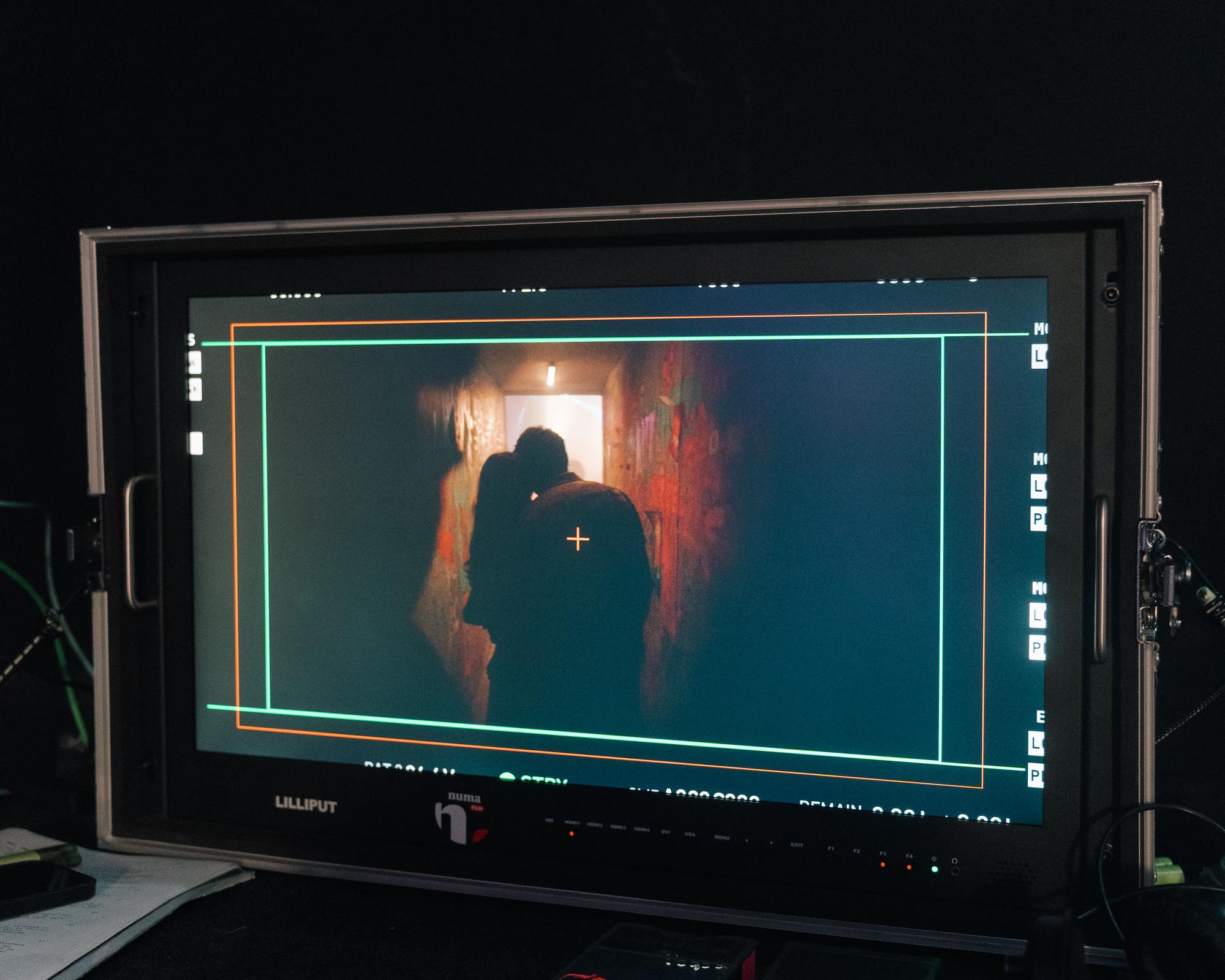
People do not engage with a format; they engage with a story and with an emotion. If the emotion is borrowed from someone else, it becomes robotic and artificial.
If we look at what makes a campaign succeed in the long run, the answer is simple: authenticity. Content created with a human, original vision generates significantly more likes, comments and shares than content that follows rigid or artificial patterns. Why? Because authenticity builds trust.
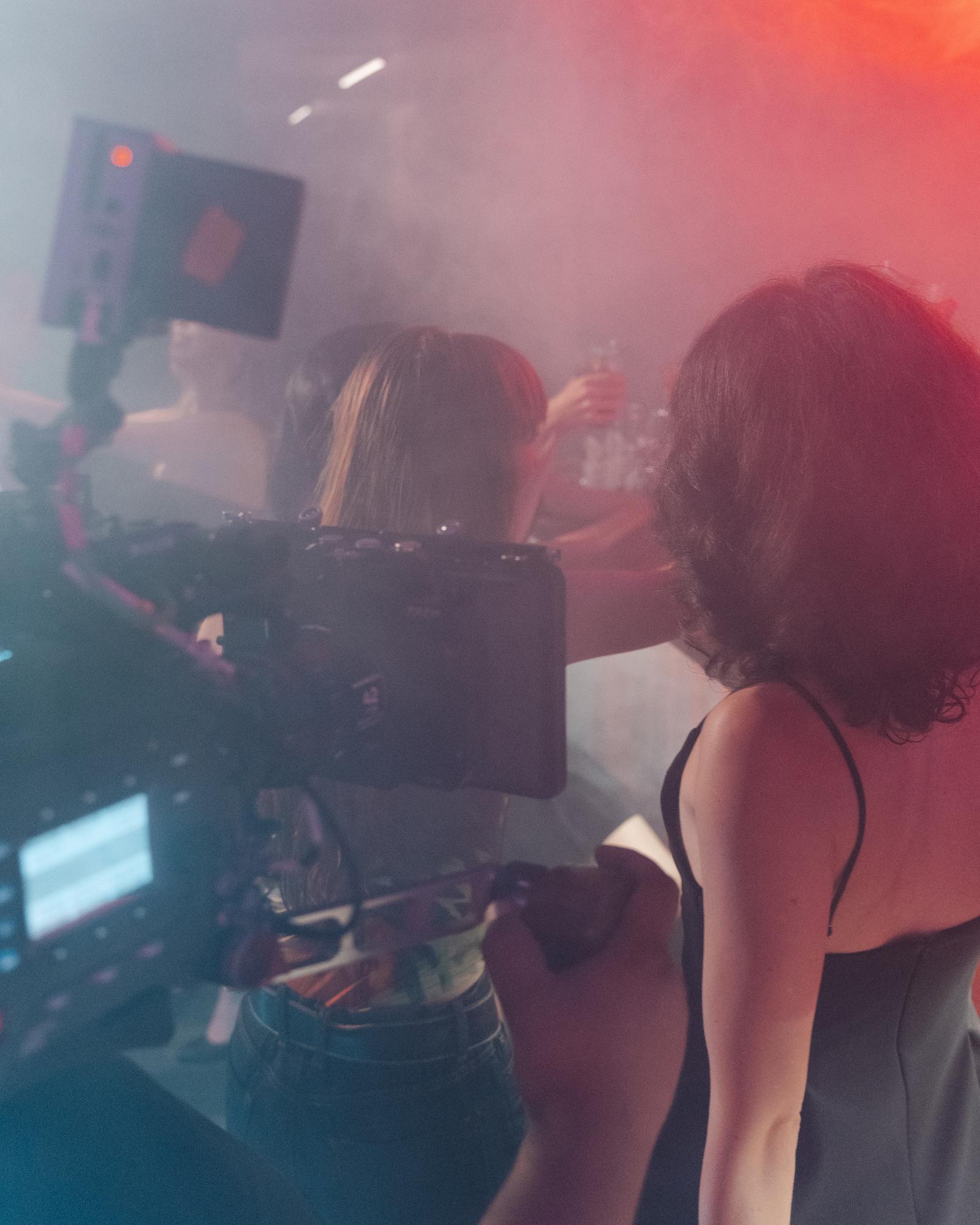
Consumers are far more inclined to engage with information and images they perceive as sincere and in line with their personal values
An original campaign tells the client: "We know who we are, we know what we offer and we respect our audience enough not to serve them a recycled product."
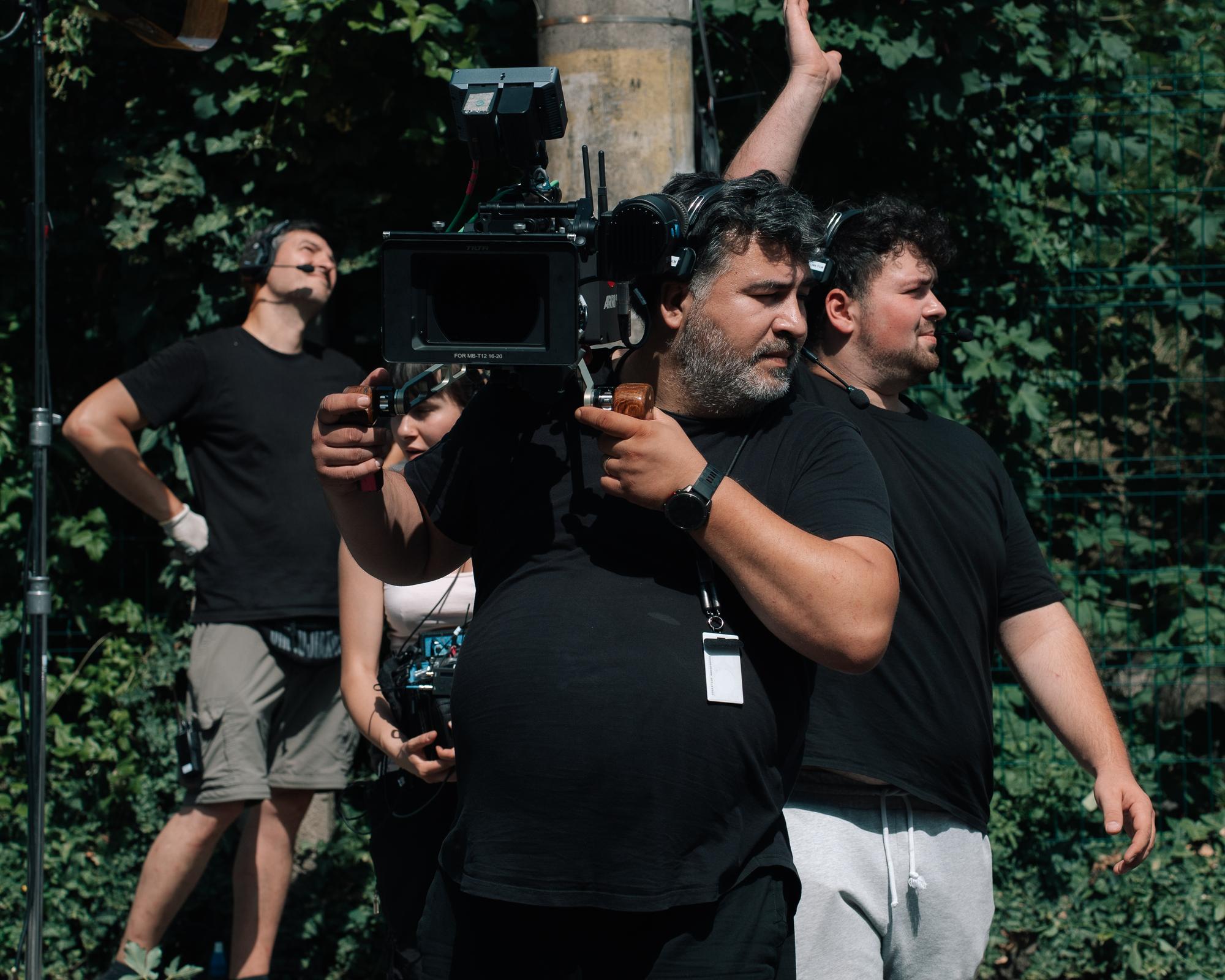
Originality is not just a matter of aesthetics or art; it is an effective business strategy. Even in extreme crisis conditions, the companies that managed to survive and grow were the ones that adapted their communication to the real needs of people, using digital channels to create a real connection, not just to sell.
What does your brand gain when you invest in originality?
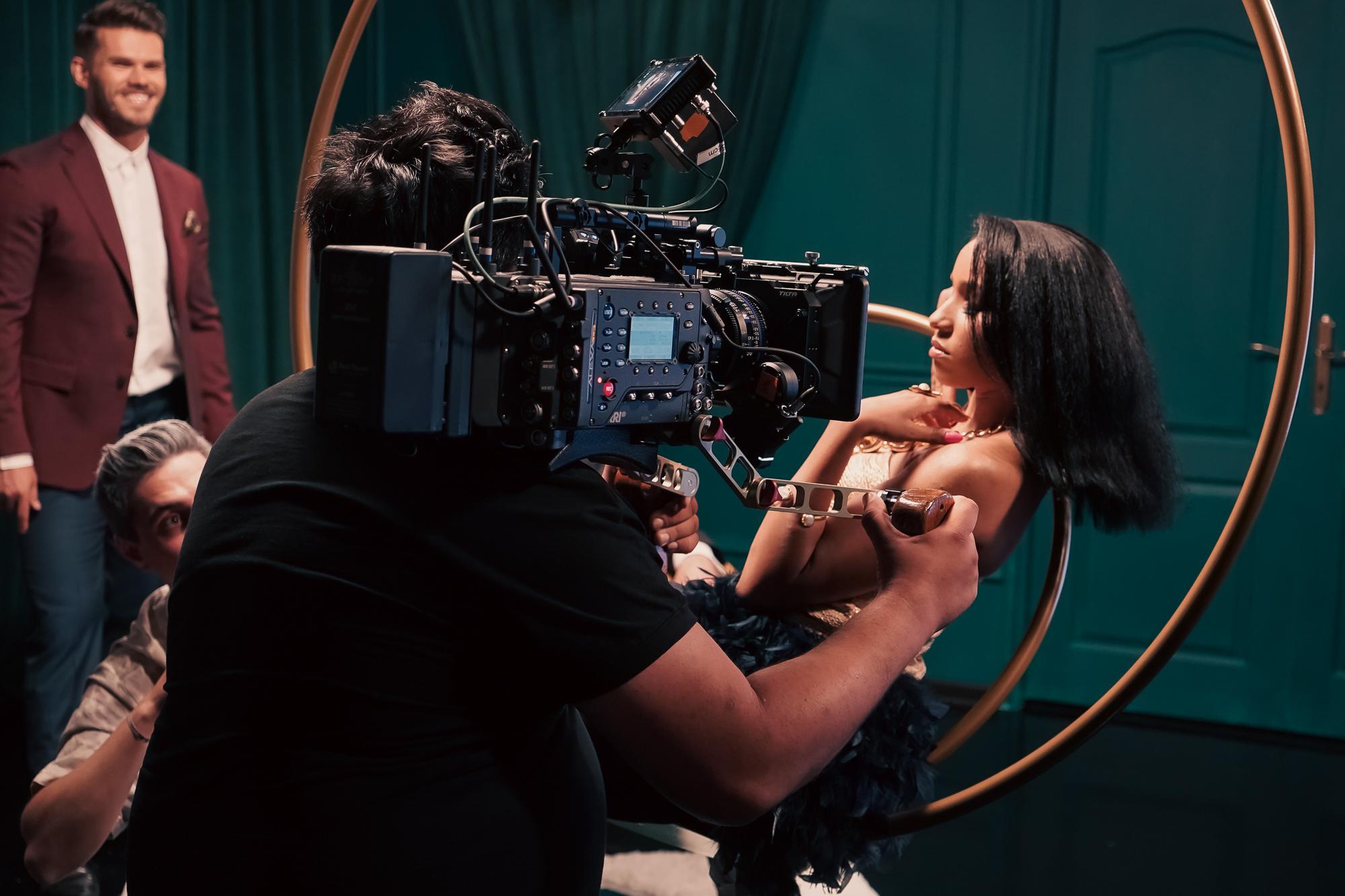
We believe the secret lies not in chasing the trend, but in using the trend as a canvas on which to paint your own story. Not copying formats, but building relevant stories through visual language.
Instead of asking yourself "What trend is working right now?", ask yourself: "Which part of my business is so unique that it deserves to be filmed?" or "What story would I want to tell?"
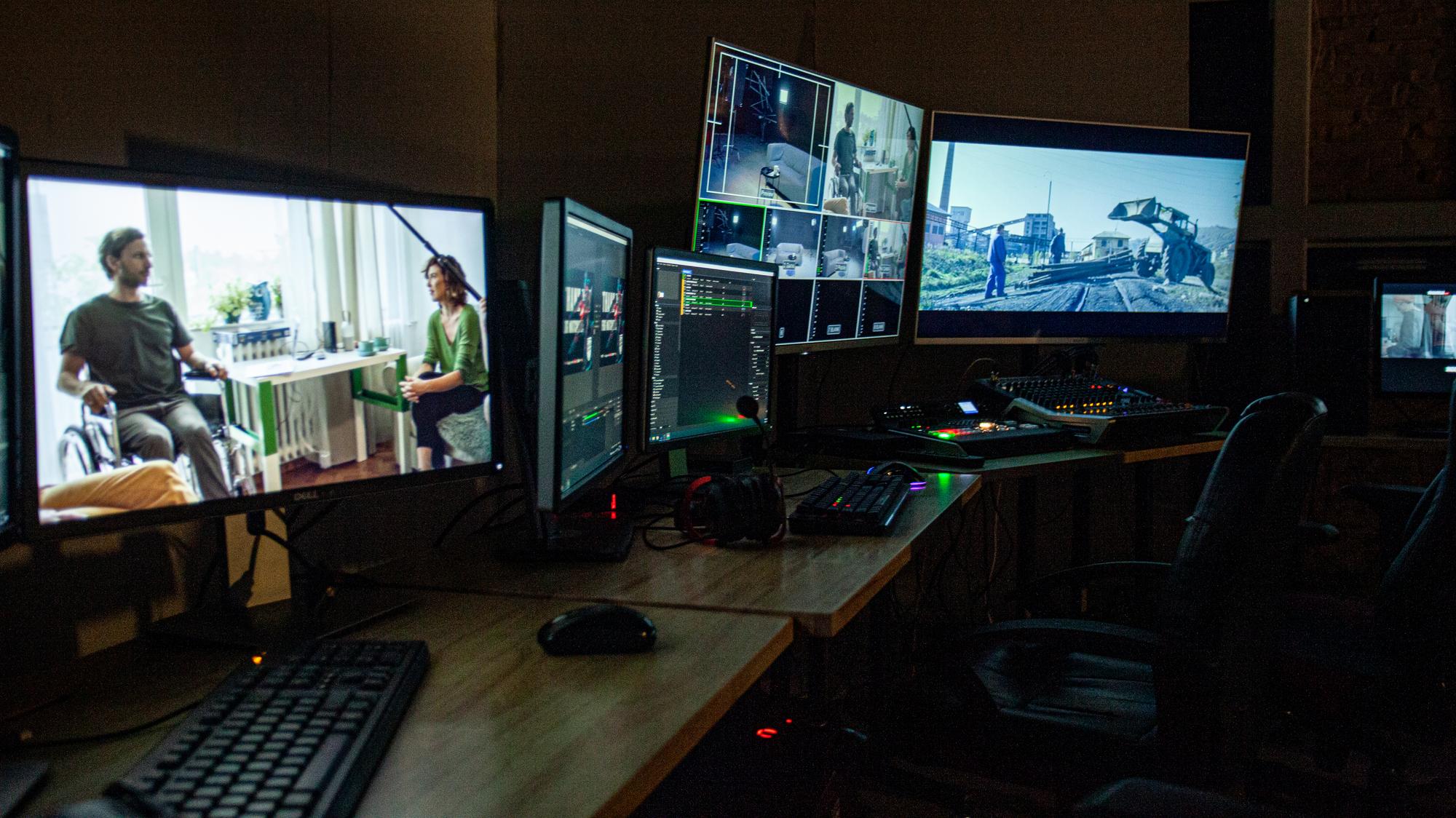
Whether we are talking about an independent project or a commercial campaign for a global brand, success comes from the balance between cinematic aesthetics and the truth of the brand.
2026 looks like being a difficult year. Until now we could still anticipate certain things, but lately predictability has been out of reach. The economic context remains unstable, legislation changes quickly and often unpredictably, and the pressure on budgets keeps growing. In this landscape, video campaigns can no longer be conceived according to old recipes.
The question is no longer whether we should communicate, but how and why.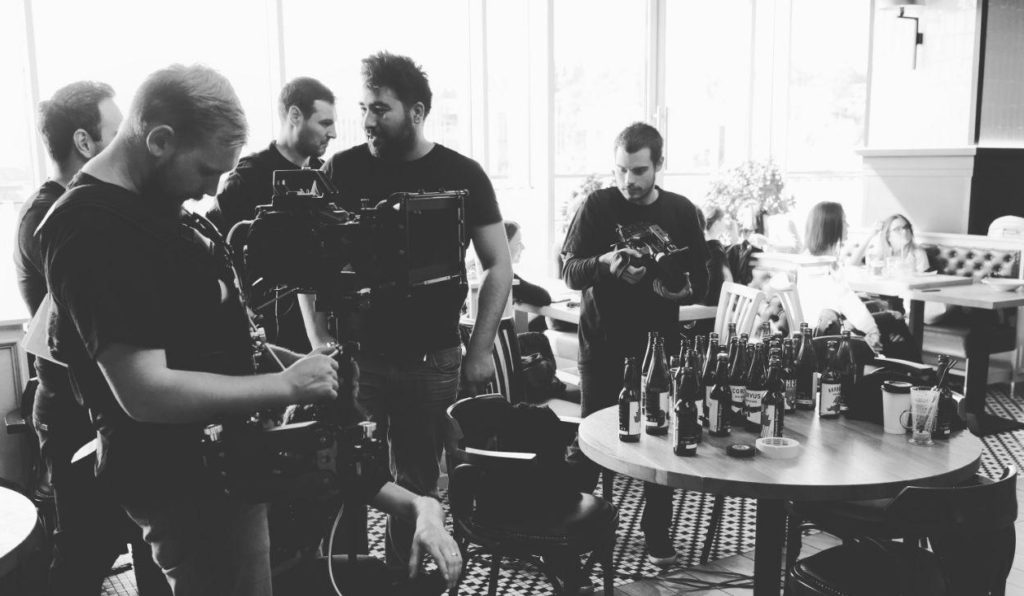 One of the great challenges of the coming year will be audience fatigue. We are already exposed to a huge volume of content, and video campaigns, once the differentiating element, have become the norm. The ads look good, they are properly produced, but very often they no longer say anything. In a tense economic environment, brands will be tempted to reduce risk and play safe. Paradoxically, it is precisely this excessive caution that can lead to irrelevance.
A second challenge comes from legislative and administrative changes, which directly affect medium and long-term planning. Campaigns can no longer be built rigidly, on fixed structures, they have to become more flexible, easier to adapt and, sometimes, smaller in scale but clearer in message. From a production point of view, the video campaigns with impact in 2026 will not necessarily be the most expensive ones, but the best thought through and the best anchored in the reality of the brand and of its audience.
In this context, the old strategies no longer work. Bought reach no longer guarantees attention, and frequency no longer automatically builds memorability. People sense when a message is forced and when a brand communicates out of inertia. Video campaigns have to become once again a meaningful instrument , a medium in which the idea, the image and the emotion work together , not just a box ticked in a media plan that justifies a few budgets.
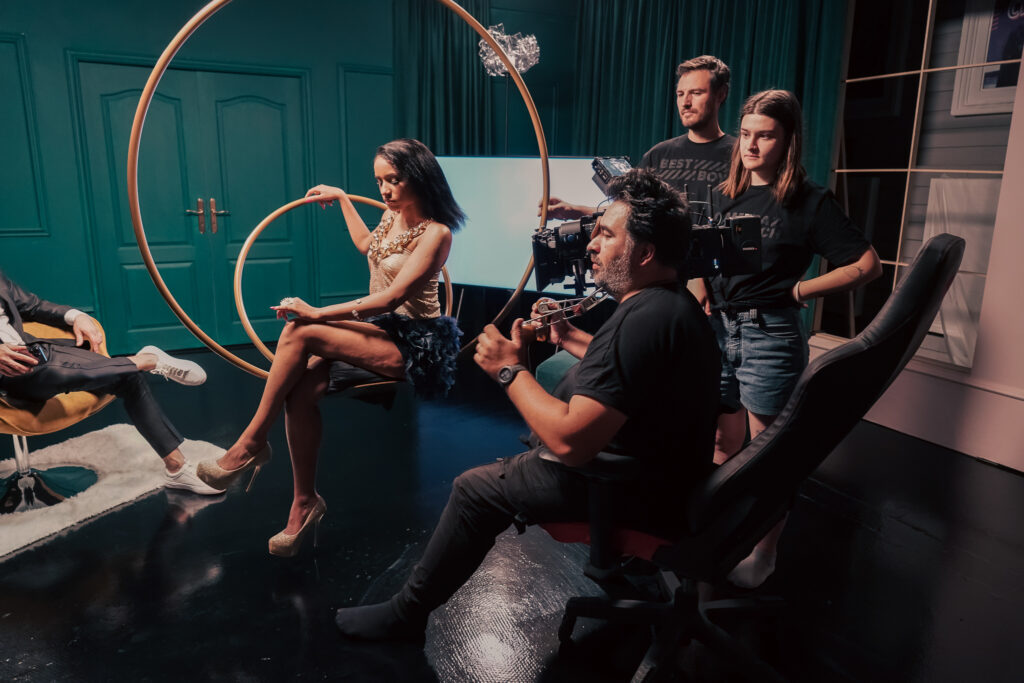
And yet, perhaps the greatest challenge is an internal one: not to give up. In times of uncertainty, the temptation to pause communication is strong. But the experience of recent years shows us that the brands that kept investing, intelligently, honestly, consistently, are the ones that have grown their value, even when the market stagnated in difficult moments.
2026 will not be about more, it will be about more relevant. About having the courage to say less, but more truthfully. About investing in video campaigns not as a cost, but as a form of construction for the long term. Because, in an uncertain environment, real value does not come from saving money, but from the capacity to keep going, more lucidly, more attentively and closer to what really matters.
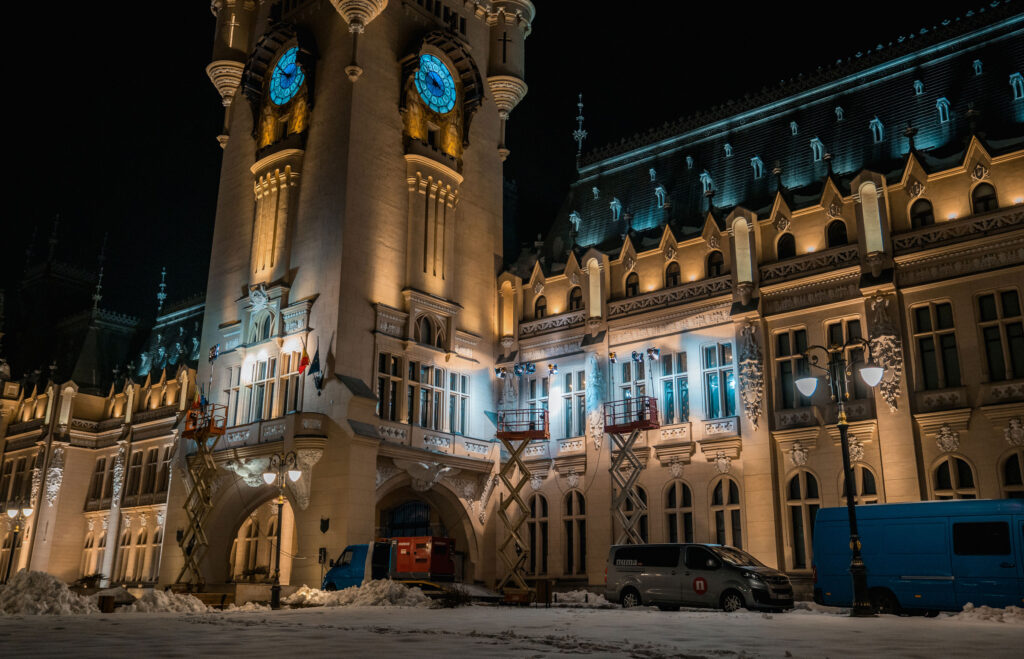
Although for some of our clients this is already known, it is worth saying explicitly: alongside cinematic and commercial productions, for more than five years we have been developing educational video content of the e-learning kind, delivered to international standards.
We have carried out projects for clients outside Romania, including well-known schools and institutions in the United Kingdom, working closely with teachers and specialists in the respective fields, who define the content and the educational direction of the courses. Our role is to turn this content into clear educational solutions, coherent and well produced, managing the entire production and post-production process.
In a context where digital education is becoming ever more relevant, we are announcing the availability of this service for clients in Romaniaas well, alongside the other types of video production we carry out: fiction and documentary feature films, commercial documentaries and TV commercials.
See the video below for a showcase of e-learning.
As we have described before on the blog, and on our social media channels, this summer we worked closely with Blue Youth Films on the feature film co-production Nimic mai mult și nimic diferit, directed by Lucas Neagu. To understand the creative process better, both on set, with director of photography Horațiu Curuțiu, and in the edit suite, with editor Eugen Kelemen, we asked them to tell us more about the way of working and the work ethic on an independent film production.

Lucas Neagu made his debut in 2024 with the feature film "Timing", which enjoyed great success on its release in Romanian cinemas. Now, after producing his second film, Nimic mai mult și nimic diferit, we were curious to find out more about his experience in Cluj and his plans for the future.
How did the film change from the first ideas through to its completion? What influenced those changes, if there were any?
"The film went through many changes, there were a lot of feedback sessions, especially during the rehearsal period with the actors. That is my way of working: once I feel the screenplay is ready, I start working on it with the actors, listening to their opinions and their needs and developing it further from there. Eugen Kelemen and Horațiu Curuțiu also contributed feedback, before production. Even so, the main idea of the film, its foundation let us say, stayed the same. An elderly couple facing the imminent reality of the end of a life."
How was the production process in Timișoara different compared with Cluj?
"In Timișoara, on Timing, my first feature, it was very much a passion project, shot in what the trade would call guerilla style. It was still ground I knew very well and, although it was hard work, I managed to operate successfully as a producer. On this new film I had the luxury of not having to worry too much about the locations myself, and it was a good thing it happened that way, because I was not very familiar with the city. Horațiu took care of that well and presented me with options. I chose. I learned a lot from both experiences."

How would you describe your collaboration as a director with the established actors Marian Râlea, Ana Ciontea, Áron Dimény and Johanna Adam? How is it different from working with Daria Pintilie and Vlad Lință, if it is?
"I think I always try to keep the same approach every time I work as a director, namely to give my actors as much creative freedom as possible. I am honoured to have had the chance to work with Marian, Ana, Johanna and Aron, all of them actors I never even dreamed of working with, and it makes me enormously happy that they decided to take part in this film without knowing me beforehand, simply by reading my screenplay and being deeply moved by the story. With Marian Râlea and Ana Ciontea we rehearsed a great deal and I will praise them whenever I get the chance, they are phenomenal actors. I appreciated with all my heart that they treated me as their equal, even though their experience is far greater. With the young Daria Pentelie and Vlad Lință, who are dear friends of mine, we worked with a great deal of trust and good humour. I rehearsed the most with them and they were the first to know about the project. We came, we rehearsed, we trusted our work and we delivered."
What impression do you want to leave with the audience who watch this film?
"Nimic mai mult și nimic diferit invites the audience to a celebration of life. I would like to think it will be perceived as a happy film and that the audience will leave with a thirst to live their lives beautifully, in quiet, peace and joy alongside the people they love. I hope they leave the cinema with a pleasant, warm feeling."
What advice would you give to young people starting out on a film career, and what are your plans for the future?
"I have said it before and I will say it again. As a young person wanting to set out on a path, whatever it is you want to do, you should be guided by a balance between two words: passion and sustainability. As for my plans for the future, I am trying to keep writing. I am working on two screenplays in parallel. If either of them materializes one day and I have the privilege of being able to continue this career, then that is wonderful. If not, we will see. I try to stay flexible. At the end of the day, all I want is to be healthy, happy and among the people I love."
Horaț iu Curuțiu, the founder of the production company Numa Film, director of photography and producer on dozens of local films, contributed on both fronts this time to the production of the feature "Nimic mai mult și nimic diferit".
How do you contribute to the screenplay through the images you create?
"I like to think that when I work on a film, through the images I create, I help the director tell their story. It helps that I have reached a certain maturity, so that I do not feel I have anything to prove, technically speaking. I am not one of those cinematographers who justify their shots through the equipment; I am more interested in understanding the directorial intention as well as possible, the narrative, the characters, so that I can use the camera to contribute to the way we are going to tell the story. On the film by Lucas it was the same, we had a great many discussions in pre-production about the story, the characters, the locations, essentially all the elements that can influence the way we were going to shoot, precisely in order to align ourselves creatively as well as possible. I think we managed to tell a coherent story, in a manner that is perhaps slightly different from what we are used to from a Romanian film, especially a low-budget independent one."

How do you manage a small technical crew within the limits of an independent film budget?
"I believe the crew is what underpins the production of any film. From the producer point of view, I think my job is to make sure I surround myself with the right people. More or less experienced, that matters less. The desire is there, we all dream of making films, so I choose to trust people and the whole team. I think it is a shared effort we have to make, we need the discipline to carry through what we establish in pre-production. From the perspective of an independent film budget, in Cluj our films have been financed mostly by ourselves, out of the profits generated by commercial projects. We have always considered it an investment in ourselves, in the local industry, and we have always done it with great pleasure."
What do you think this production means for the future of the film industry in Cluj?
"I like to think that what we do has relevance, although it is an independent feature film, and I hope this project will at least fuel the desire in some people to make a film of their own. In essence, this film ought to be a bridge between Cluj and Timișoara; just as in Cluj, there are a few people there who want to produce films locally. Perhaps we will see more Cluj and Timișoara collaborations from that point of view."
 Eugen Kelemen, editor of over thirty films, worked closely with director Lucas Neagu on the post-production of the film.
In the process of editing the film, how did this story take on new perspectives and forms? How faithful should the editor be to the original structure of the screenplay?
"The editor is the best friend of the screenwriter. Even so, taking into account the interpretative vision of the director, it can happen, and quite frequently, that the narrative structure changes in the edit suite. Not so substantially, of course, that the story itself is altered. There is one more element that can bring changes: the actor. Their performance can lead to a different perception, no matter how clearly it is explained in the screenplay. The emotions and the feelings imprinted on the image can reshape the working out of the original intention. This is proof that the edit contributes a great deal to the way the viewer perceives the film."

credit: Numa Film / Blue Youth Films
photo credit: Antonia Budeanu
During July 2025, filming took place in Cluj-Napoca for the second feature by Timișoara-born Lucas Neagu, "Nimic mai mult și nimic diferit". Fresh from a Gopo nomination for independent production for his debut film, "Timing", the young filmmaker continued his commitment to contributing to the growth of the Romanian film industry alongside the production company Numa Film.
Over 11 days, the Numa Film team behind the production of "Nimic mai mult și nimic diferit" worked closely with co-producer, director and screenwriter Lucas Neagu to bring to life this story about love, family and endurance over time. Springing from personal experiences and feelings, but also serving as a mirror of contemporary youth, the film draws attention to the commitments we make in our relationships with the people we love and to the hardships of life that come hand in hand with happiness. More precisely, the film follows the story of a couple, Elena and Gabi, who relive their youth and the beginnings of their relationship once they are brought face to face with the burden of old age. Where did we set out from and where are we heading? What are we willing to sacrifice for one another?
Cast and artistic vision
The film stars Marian Râlea, Ana Ciontea, Áron Dimény and Johanna Adam, alongside the young actors Daria Pintilie and Vlad Lință. The casting was designed to create a balance between the experience of established performers and the naturalness of the younger generation, in an approach that puts the emphasis on authenticity and emotional depth.
Challenges and production coordination
One of the main challenges of the project was assembling, in a short space of time, a technical crew of around 30 people, bringing together experienced professionals and collaborators at the start of their careers. Some of them are students at the Faculty of Theatre and Film (UBB Cluj), involved in various production, camera and sound departments. This collaboration offered a real opportunity for practical training and for connecting the academic world with the working film industry.
Despite the logistical and time constraints, the Numa Film team managed to keep the shoot running efficiently, maintaining a balance between the artistic needs of the director and the demands of an independent production schedule.

The context of the project
"Nimic mai mult și nimic diferit" marks an important stage in the path of Lucas Neagu who, after the Gopo Awards nomination for the independent production "Timing", is consolidating his aim of developing an intimate cinema, focused on personal feelings and universal themes.
Through this project, we continue our work as a production platform dedicated to independent films, offering creative space for young filmmakers and strengthening collaborations between industry professionals and the new generations.

| ||||||||||||||||||||||||||||||||||||||||||||||||||
| ||||||||||||||||||||||||||||||||||||||||||||||||||
| ||||||||||||||||||||||||||||||||||||||||||||||||||
| ||||||||||||||||||||||||||||||||||||||||||||||||||
| ||||||||||||||||||||||||||||||||||||||||||||||||||
| ||||||||||||||||||||||||||||||||||||||||||||||||||
| ||||||||||||||||||||||||||||||||||||||||||||||||||
| ||||||||||||||||||||||||||||||||||||||||||||||||||
| ||||||||||||||||||||||||||||||||||||||||||||||||||
httpss://www.youtube.com/watch?v=H93KDO4uQlg&feature=emb_title
Scroll down for Romanian
Motor! Mark! and Action! were the words that were heard over two days, during filming the spot for Magic Association.
December 2020
"In January we will shoot the MagicHelp spot", Horațiu told everyone on the team. After receiving the additional information, the enthusiasm could be read on everyone's face and over time, from one day to the next, this feeling grew more and more.
Earlier this month, friends at Heraldist & Wondermarks sent us an email proposing to work on this project together. The agency founded in 2014, in California, has gained notoriety in Europe, two of the locations being in Cluj and Bucharest. With wide experience in Perception Engineering, the agency helps companies such as Uber, Brandcast, Appnomic, Revolut, Elrond, Airbnb, Moonfare, Bitdefender, and many more to build successful campaigns. Thus, their campaigns reached USA Today, The Guardian, NBC, Stern, Business Insider, they had a substantial impact, being viewed by people around the world.
For each of us, this production was going to be something new, because we were going to take part in an experience from which to learn to grow more. While days are passing by, we are setting up the production. We had meetings over meetings where we discussed the locations to choose, how important it is to have an expressive casting, and the importance of a soundtrack that goes hand in hand with the emotions of the characters. We set out to create a spot that would convey strong emotions, and that's what we did.

After reading the script of the spot, we wanted the directing to be done by Bogdan Ilieșiu. We met Bogdan while filming his short film, The Tower of Pisa, where we were co-producers, but we have also worked together on other advertising projects.
The spot captures interspersed sequences from the ordinary lives of three characters. Three super parents who do everything for their sick children, and their emotions and feelings dominate every frame from beginning to end. It manages to stir you up and awaken a strong feeling in you no matter how many times you watch it.

MagicHELP is the first mobile application that helps families with seriously and chronically ill children to benefit from free services and products. With the help of the application, the needs of parents with sick children, from the region of Transylvania, will be able to be met by an entire community that will want to provide help through goods and services. The MagicHELP application is a bridge between you and me, between you and us, where the good is shaped up by every good deed done for children suffering from a serious illness.
"Something is not right. There are two more days until filming, and I still can't believe everything is ready", Horatiu tells me and Andrei on the way home. From the beginning, we grouped into departments, each with well-defined roles. And thus this project had a good organization.

23rd January 2021
At seven o'clock in the morning, we left the office towards the first location where we were supposed to shoot. When we got there, on either side of the street, our cars were parked everywhere. The whole frame seemed to be detached from a movie scene where we were all actors in our actions, in which we had the responsibility to fulfill our roles until someone had to say wrap. We started taking the equipment out of the cars and getting ready for filming. On one side of the house, the make-up team was preparing the actors for the scenes, on the other side, the film crew was assembling the camera and the rest of the equipment.
"We're in position. Everybody be quiet!", it was heard all over. At eight o'clock in the morning, we shot the first scene and, until eight o'clock in the evening, we had gone through scene after scene until we finished the first day of filming.


After twelve hours of filming, a part of the team sat on the corner of the living room to discuss how we would proceed the next day. What I knew for sure, because we had discussed this before, was that at six o'clock in the morning, some of us should be at Kaufland for filming the first scene of the day. After we had clarified what we had to do, we gathered the necessary props in Andreea's car and we left with Raluca to prepare the location for Sunday's filming.
"We need a colleague on the fruit-vegetable aisle, please!", it was heard through the Kaufland communication station, while we were filming the scene with one of the actors shopping. While the first customers arrived in the supermarket, we began to descend the escalators to move towards cars. From there, we headed to Republicii Street, for the next location.

We had a total of sixteen production hours throughout the day. However, many of us felt that tomorrow would be another day of filming. Thus, you realize that time is relative and it passes differently depending on where we are, but especially, depending on the people who are close to us. At the end of the day, we looked at each other and there was a feeling of satisfaction on our faces.
Over the years, through the commercials we have made, what we wanted was to convey a story to the public, so that their emotions and feelings persist even after they finished watching it. And, at the same time, to understand that behind the screen they are looking at, depending on each spot, there are people who tell their story through other people.

The Magic Association deals with the creation of services and facilities, as well as the development of programs to improve the quality of life of children suffering from cancer or other serious diseases. The projects of the association provide children and their parents with social and emotional support, as well as financial or material support, during the time the child is ill. Thus, projects such as MagicCAMP, Magic BOX, MagicHOME, Soul Driver, MagicCARE, MagicHELP were developed.
Every child has the right to superheroes, and for most of them, parents are the ones who wear their superhero costumes every day. They tell them how extraordinary they are and not to lose the courage to believe in more. And from them, they also learn the most important lesson of life, namely, that every day completed is a victory!
Thanks to the team
Marius Pop - copywriter
Ainhoa Morales - art director
Andy Daniliuc - creative director
Bogdan Ilieșiu - director
Horațiu Curuțiu - director of photography, producer
Alexandra Sofroni - assistant director
Raluca Pascu - set decorator
Andreea Curuțiu - production manager
Sergiu Băcioiu - photography
Andrei Sirian - 1st Camera Assistant & Focus Puller
Radu Tătar - DIT & Video Assist
Octavian Șaramet - sound recordist
Adrian Coșarcă - storyboard artist
Laurențiu Curuțiu - gaffer
Timea Baboș - production runner
ROMANIAN VERSION
Motor! Mark! Action! au fost cuvintele care s-au auzit pe parcursul a două zile, în timpul filmărilor pentru spotul Asociației Magic.
Decembrie, 2020
„În luna ianuarie vom avea filmări pentru producția spotului MagicHelp”, ne-a spus Horațiu tuturor celor din echipă. După ce am primit și alte informații adiționale, entuziasmul se citea pe chipul tuturor, iar cu timpul, de la o zi la alta, acest sentiment creștea din ce în ce mai mult.
La începutul lunii, prietenii de la Heraldist & Wondermarks ne-au trimis un e-mail în care ne-au propus să lucrăm împreună la acest proiect. Agenția înființată în anul 2014, în California, și-a câștigat notorietate și în Europa, două dintre locații fiind în Cluj și în București. Cu o experiență vastă în Perception Engineering, agenția ajută companii precum Uber, Brandcast, Appnomic, Revolut, Elrond, Airbnb, Moonfare, Bitdefender și multe altele, să construiască campanii de succes. Astfel, campaniile lor au ajuns și în USA Today, The Guardian, NBC, Stern, Business Insider, acestea au avut un impact substanțial, fiind vizualizate de oamenii din întreaga lume.
Pentru fiecare dintre noi, această producție avea să fie ceva nou, mai ales că urma să luăm parte la o experiență din care să învățăm pentru a crește mai frumos. Cu fiecare zi mai aproape, noi puneam producția la cale. Am avut ședințe peste ședințe unde am discutat despre locațiile pe care trebuia să le alegem, despre cât de important este să avem un casting expresiv și despre importanța unei coloane sonore, care să meargă mână în mână cu trăirile personajelor. Ne-am propus să creăm un spot care să transmită o emoție puternică, și asta am și făcut.
După ce am citit scriptul spotului, ne-am dorit tare mult ca regia să fie făcută de Bogdan Ilieșiu. Cu Bogdan ne știm de la filmările scurtmetrajului său, Turnul din Pisa, unde noi am fost co-producători, dar am lucrat împreună și pentru alte proiecte de advertising.
Spotul surprinde secvențe intercalate din viețile obișnuite a trei personaje. Trei super părinți care fac totul pentru copiii lor bolnavi, iar emoțiile și trăirile lor domină fiecare cadru de la început și până la sfârșit. Ori de câte ori l-ai relua, reușește să te răscolească de fiecare dată și să trezească în tine un sentiment puternic.
MagicHELP este prima aplicație mobilă care ajută familiile cu copii bolnavi grav, cronic să beneficieze de servicii și produse gratuite. Cu ajutorul aplicației, nevoile părinților cu copii bolnavi, din regiunea Transilvaniei, vor putea fi îndeplinite de o întreagă comunitate care va vrea să ofere ajutor prin bunuri și servicii. Aplicația MagicHELP este o punte între mine și tine, între noi și voi, unde binele se conturează cu fiecare faptă bună făcută pentru copiii ce suferă de o boală gravă.
„Ceva nu este în regulă. Mai sunt două zile până la filmare, și tot nu-mi vine să cred că totul este pregătit”, ne spune Horațiu, mie și lui Andrei, în drum ce ne îndreptăm spre casă. De la început ne-am împărțit pe echipe pentru a ști ce trebuie să facem. Și, astfel, acest proiect a avut o organizare ca la carte.
23 ianuarie 2021
La ora șapte dimineața am plecat de la birou spre prima locație unde aveau loc filmările. Când am ajuns acolo, pe de-o parte și de alta a străzii, mașinile noastre erau parcate peste tot. Întreg cadrul parcă era desprins dintr-o scenă de film unde toți eram actorii propriilor noastre acțiuni, în care aveam responsabilitatea de a ne îndeplini rolurile până când cineva ar fi trebuit să spună wrap. Am început să scoatem echipamentele din mașini și să ne pregătim pentru filmări. Într-o parte a locuinței, echipa de machiaj pregătea actorii pentru scene, în cealaltă parte, echipa de filmare monta camera și restul echipamentului.
„Suntem pe poziții. Toată lumea să facă liniște!”, s-a auzit în toată încăperea. La ora opt dimineața am tras prima scenă, iar până la ora opt seara am tras scenă după scenă, până ce am terminat cu prima zi de filmare.
După douăsprezece ore de filmare, o parte din echipă ne-am așezat pe colțarul din living ca să discutăm cum vom proceda în ziua următoare. Ceea ce știam sigur, fiindcă am discutat și înainte despre acest aspect, era faptul că la ora șase dimineața, o parte dintre noi, urma să fie la Kaufland pentru filmări. După ce am clarificat ce aveam de făcut, am pregătit recuzita necesară în mașina Andreei și am pornit la drum împreună cu Raluca, pentru a pregăti locația aferentă filmărilor de duminică.
„Avem nevoie de un coleg la raionul legume-fructe, vă rog!”, s-a auzit prin stația de comunicare de la Kaufland, în timp ce noi filmam scena cu unul dintre actori, la cumpărături. În timp ce soseau primii clienți în supermarket, noi am început să coborâm pe scările rulante pentru a ne îndrepta spre mașini. De acolo, ne-am îndreptat spre Strada Republicii, unde se afla următoarea locație.
Pe toată durata zilei am avut în total șaisprezece ore de producție. Însă, cu toate astea, mulți dintre noi simțeam că mâine va fi o altă zi de filmare. Astfel, ajungi să realizezi că timpul este relativ și trece diferit în funcție de locul în care ne aflăm, dar mai ales, în funcție de oamenii care ne sunt aproape. La sfârșitul zilei ne uitam unii la alții și pe chipul nostru se observa un sentiment de satisfacție și de mulțumire.
De-a lungul anilor, prin spoturile pe care le-am făcut, ceea ce am vrut a fost să transmitem publicului o poveste, astfel încât emoțiile și trăirile lor să persiste, chiar și după ce l-au terminat de vizualizat. Și, totodată, să înțeleagă că în spatele ecranului la care se uită, în funcție de fiecare spot, există oameni care își spun povestea prin alți oameni.
Asociația Magic se ocupă cu crearea de servicii și facilități, cât și cu dezvoltarea de programe pentru a îmbunătății calitatea vieții copiilor ce suferă de cancer sau alte boli grave. Proiectele asociației oferă copiilor și părinților acestora suport social și emoțional, cât și sprijin financiar sau material, în perioada în care copilul este bolnav. Astfel, au luat naștere proiecte precum MagicCAMP, MagicBOX, MagicHOME, Șofer de Suflet, MagicCARE, MagicHELP.
Orice copil are dreptul la supereroi, iar pentru cei mai mulți dintre ei, părinții sunt cei care își îmbracă costumul de supererou în fiecare zi. Le spun cât de extraordinari sunt și să nu-și piardă curajul de a crede în mai mult. Și, de asemenea, de la ei învaţă cea mai importantă lecţie de viaţă, și anume, că fiecare zi dusă la bun sfârşit este o victorie!
Mulțumiri echipei
Marius Pop - copywriter
Ainhoa Morales - art director
Andy Daniliuc - creative director
Bogdan Ilieșiu - director
Horațiu Curuțiu - director of photography, producer
Raluca Pascu - set decorator
Alexandra Sofroni - assistant director
Andreea Curuțiu - production manager
Sergiu Băcioiu - photography
Andrei Sirian - 1st Camera Assistant & Focus Puller
Radu Tătar - DIT & Video Assist
Octavian Șaramet - sound recordist
Adrian Coșarcă - storyboard artist
Laurențiu Curuțiu - gaffer
Timea Baboș - production runner

The feature film "Toni & Friends", a Numa Film production directed by Ion Indolean, will have its world premiere at the prestigious Warsaw Film Festival, in the Free Spirit competition section.
The event, at its 36th edition, will take place between October 9-18. A Category A festival, according to the FIAPF classification, the WFF is the most important film event in Poland.

"Toni & Friends" explores the relationships born during the process of making a film and reveals the less visible parts, often filled with tension, which populate the creative process.
The cast includes actors Ilinca Hărnuţ, Cătălina Moga, Alexandru Ion, Emil Măndănac, Gabriel Sandu, Elena Ivanca, and Patricia Brad. Horaţiu Curuţiu was the DOP of the film, the script was written by Ion Indolean and Adrian Cârlugea and the sound is signed by Cezar Enache and Sergiu Băcioiu.
The film follows Rebeca (Ilinca Hărnuţ), Iulia (Cătălina Moga) and Florin (Emil Măndănac), a team of documentary filmmakers, as they are trying to tell the story of Toni Oniga (Alexandru Ion), attempting to understand whether he is truly a star or just a neighborhood legend.
We do not know, and neither do they, what to expect from Toni, an archetypical exponent of the “smart guy” category that populates Romanian society.
The film is built as a story inside a story, the "fiction" part contains a part of the "documentary", filmed by actress Cătălina Moga, who is at her first experience with a camera.
Adopting this aesthetic experiment, "Toni & Friends" proposes a discussion about the limits that a professional may or may not cross, about the deontology of documentary filmmakers / journalists, about the possibilities and pitfalls of the audiovisual environment.


Adopting this aesthetic experiment, "Toni & Friends" proposes a discussion about the limits that a professional may or may not cross, about the deontology of documentary filmmakers / journalists, about the possibilities and pitfalls of the audiovisual environment.
These questions continue older preoccupations of director Ion Indolean, who, in his debut feature film - "Discordia", awarded at TIFF and nominated for GOPO Awards - explores the means of expression and temporal limits of the cinematic medium.

A graduate of the Faculty of Theater and Film at UBB Cluj-Napoca, where he is now a teacher, Ion Indolean began his career as a film critic. He has collaborated with famous national publications, such as Observator Cultural, PressOne, LiterNet. Later, and later on, he decided to expand his interests to film directing.
"Toni & Friends" is a completely independent Numa Film production. It is the first film made entirely in Cluj-Napoca selected at a Category A festival - FIAPF. Supported by Marty Restaurants, Narcoffee Roasters, Polaris Medical, Bamboo Fitness & Spa, Absolut Vodka, Cluj-Napoca City Hall and Local Council.
The official trailer can be accessed here: httpss://vimeo.com/393269826
The project is financed through the Regional Operational Programme (POR 2014-2020), Priority Axis 2 -
Improving the competitiveness of small and medium-sized enterprises, Investment Priority 2.1 - Financing Contract No. 1451/15.03.2018.
The contracting party invites interested legal entities to submit offers for the award of the contract
for the supply of a cinema camera kit.
The value of the procurement is estimated at 637,744.8 lei, made up of a unit price of 535,920.00 lei and VAT of 101,824.8 lei
The full announcement can be downloaded from this link: Invitation to participate SMIS 103055


